

The scrap rate of machining is lower than that of CNC machining?
Release time:
2025-02-07
The scrap rates of machining and CNC machining vary depending on the situation. CNC machining has a low scrap rate in the machining of complex and high-precision parts, while machining has advantages in simple parts and when dealing with changes. It is necessary to comprehensively consider multiple factors to select the processing method.
In the field of mechanical processing, both machining and CNC machining (CNC machining) are important processing methods. Some people have raised the question: Is the scrap rate of machining lower than that of CNC machining? To answer this question, we need to make an in-depth comparison of the advantages and disadvantages of the two.
Let's look at CNC machining first. It relies on pre-written programs to control the operation of machine tools and has significant advantages in precision machining. CNC machining has extremely high precision and can accurately control machining errors. For example, when machining precision parts in a turning and milling composite machining center, multiple complex processes can be completed at one time through precise program instructions to ensure the dimensional accuracy and form and position tolerance of the parts. This makes CNC machining have a relatively low scrap rate when processing parts with complex shapes and high precision requirements. In addition, CNC machining has a high degree of automation. Once the program setting is completed, the interference of human factors is reduced during the machining process. It can be processed stably according to the set parameters, and the product quality is stable, which reduces the probability of scrap generation to a certain extent.

However, there are also factors that may lead to an increase in the scrap rate in CNC machining. On the one hand, CNC machining is highly dependent on programs. If the programmer does not understand the machining process well or programming errors occur, problems such as tool path errors and unreasonable cutting parameters may occur during the machining process, resulting in the scrapping of the entire batch of parts. On the other hand, the maintenance and debugging of CNC equipment is crucial. If the equipment fails, such as the spindle accuracy decreases, the transmission system error increases, etc., and it is not discovered and repaired in time, the machining accuracy will be affected, thereby increasing the scrap rate.
Let's look at machining, which is the traditional manual machine tool processing method. Machining has the advantage of reducing scrap rates in some cases. For the machining of simple parts, experienced workers can flexibly adjust the machining parameters with skilled operating skills and intuitive judgment of the machining process. For example, when machining ordinary shaft parts, workers can fine-tune the cutting speed and feed rate in time according to the sound, feel and observed chip state during cutting to ensure machining quality and reduce the possibility of scrap. Moreover, machining can respond quickly to temporary design changes, directly respond to changes through manual adjustments, avoid errors that may be caused by cumbersome processes such as program modifications, and control the scrap rate to a certain extent.
However, machining also has shortcomings that increase the scrap rate. The precision of machining is greatly affected by the technical level and working status of the workers. The technical proficiency of different workers varies. Even for the same worker, the mental state and physical condition at different times will be different. These factors will lead to unstable machining accuracy. In precision machining tasks, this fluctuation in accuracy can easily cause the machining results to exceed the tolerance range and produce scrap. During the long machining process, workers are also prone to fatigue and lack of concentration, which leads to operational errors, further increasing the scrap rate. In addition, machining lacks a precise process monitoring system like CNC machining, making it difficult to accurately grasp the machining status in real time, which is not conducive to timely detection and correction of problems that may cause scrap.

Back to the original question, is the scrap rate of machining lower than that of CNC machining? The answer is not absolute. CNC machining has a lower scrap rate for complex and high-precision parts when the program is correct and the equipment is normal; while machining has the advantage of controlling the scrap rate in simple parts processing and responding to temporary changes. However, under the influence of some unfavorable factors, the scrap rate of both may increase.
Machining and CNC machining each have their own advantages and disadvantages. In actual production, enterprises should comprehensively consider factors such as the complexity of parts, precision requirements, production batches, workers' skill levels, equipment conditions, etc., and reasonably choose processing methods. Through effective quality control measures, they should reduce scrap rates and improve production efficiency.
Related Products
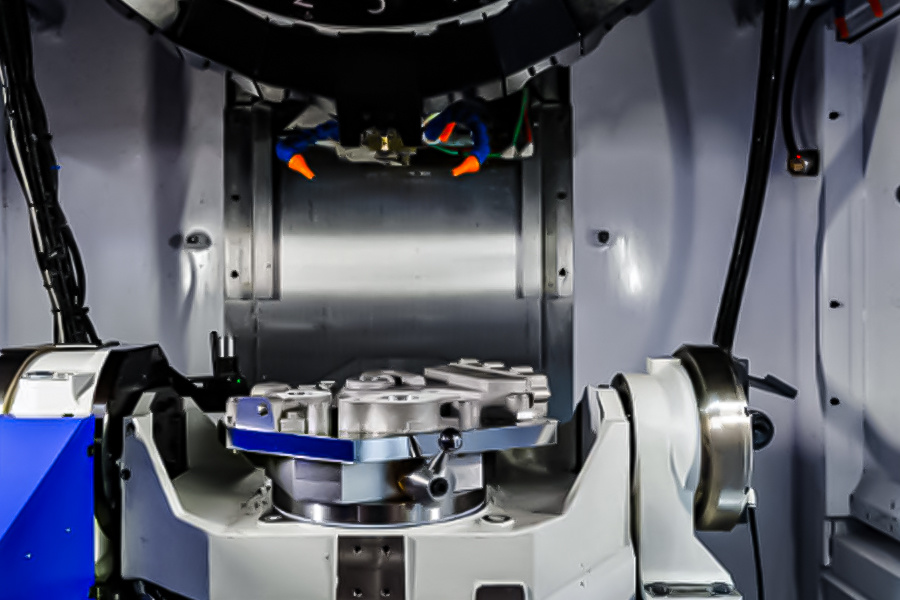
CNC machining multi-axis linkage accurately processes tooth profile and journal size
CNC machining technology plays a core role in the machining of precision gears and shaft parts, achieving high-precision micron-level precision, significantly improving the wear resistance and fatigue resistance of parts, and ensuring the stable operation and high quality of the transmission system. In modern industrial manufacturing, its application in automobile manufacturing, precision instruments, industrial equipment and other fields has significantly improved the overall quality.
2025-06-28
Automotive precision parts processing: Use high-precision gears to drive the future of new energy
The development of new energy vehicles has put forward higher requirements for the precision of parts. The breakthrough of micron-level manufacturing technology has laid the foundation for the stable operation of the power system. High-precision gears are innovatively applied in the energy conversion system of new energy vehicles, which reduces friction loss, improves transmission efficiency and prolongs gear life.
2025-06-18
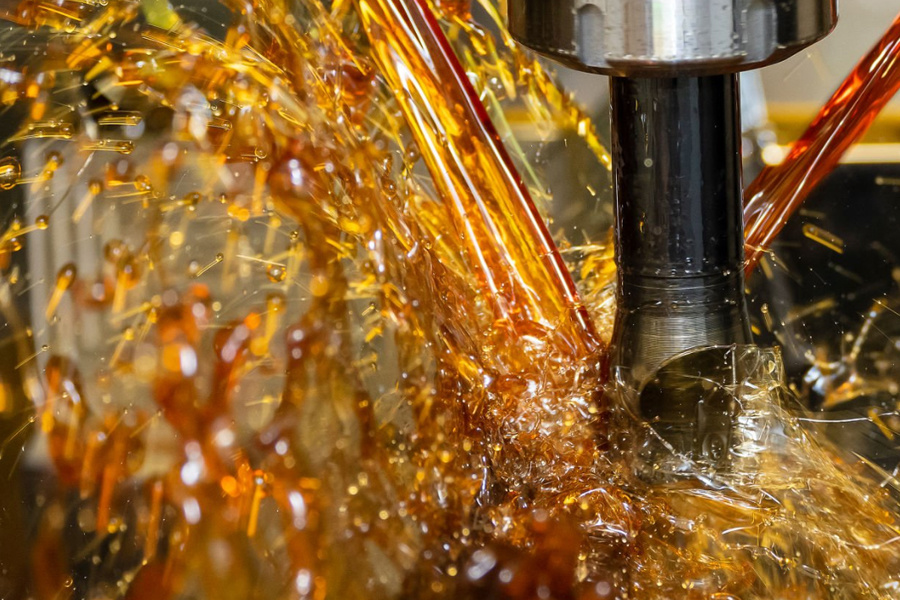
The manufacturing process of precision accessories in modern medical equipment, especially the use of core processing technologies such as CNC turning and laser micro-welding to achieve precise manufacturing in complex medical scenarios. These technologies not only require precise dimensional control, but also must meet biocompatibility and long-term stability.
2025-06-14
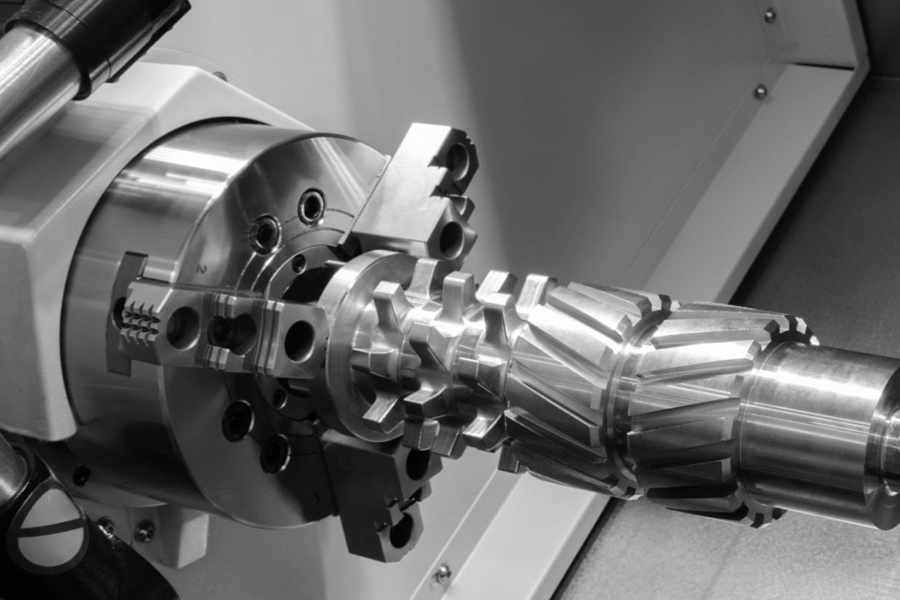
Five-axis machining centers have gradually become the core equipment for the manufacture of complex parts due to their multi-dimensional dynamic machining capabilities. Compared with four-axis equipment, five-axis machining centers significantly improve the machining accuracy and surface quality of special-shaped structural parts through multi-angle synchronous cutting, shortening the production cycle.
2025-06-11



Contact Information

Mailbox:haiqi.liang@chuntian-ctt.com
Company address: Area B and Area C, Building A, Factory Building 8, Hongqi Road, Hongqi Town, Jinwan District, Zhuhai City
Skype:haiqi.liang@chuntian-ctt.com
WhatsApp:+86 13318966480
Phone:+86 13318966480
Mail:haiqi.liang@chuntian-ctt.com