

CNC machining has a high degree of automation, will machining be marginalized?
Release time:
2025-02-05
CNC machining has a high degree of automation, high efficiency and high precision; machining is flexible and low cost. Both have their advantages and disadvantages, and enterprises should make reasonable choices according to their needs to jointly promote the development of the mechanical processing industry.
As technology continues to advance and innovate, CNC machining has taken an important position in the industry with its high degree of automation, which has also triggered a hot debate: Will machining be marginalized? To answer this question, we need to compare the advantages and disadvantages of the two in depth.
The automation advantage of CNC machining is very significant. In terms of machining efficiency, highly automated CNC equipment can run uninterruptedly according to preset programs, achieving long-term uninterrupted continuous operation. For example, in the mass production of automotive parts, the use of CNC machining centers with a milling and turning combination can automatically complete multiple processes such as milling, drilling, and boring in one clamping, greatly shortening the machining cycle and significantly improving production efficiency. In terms of precision machining, automated CNC machining has extremely high precision, can accurately control machining errors within a very small range, and ensure the machining quality of complex precision parts. Moreover, the automated machining process reduces manual intervention, reduces machining errors caused by human factors, and makes product quality more stable.

However, CNC machining also has some limitations. First, the cost investment is huge. It is expensive to purchase high-precision automated CNC equipment, and subsequent investment in equipment maintenance and software updates is required. Secondly, programming is difficult, and professional programmers are required to write complex programs according to processing requirements. Once an error occurs in the program, the entire batch of products may be scrapped, causing serious economic losses. In addition, for some temporary and simple processing tasks, the long preparation time for automated CNC machining reduces production efficiency.
Let's look at machining, which is the traditional manual machine tool processing method. The biggest advantage of machining is flexibility. When faced with simple parts processing or temporary design changes, experienced workers do not need complex programming. With their skilled operation of the machine tool and their own experience, they can quickly adjust the processing parameters and quickly complete the processing tasks. For example, in a small processing plant processing simple hardware accessories, machining can quickly respond to customer needs and flexibly adjust the processing plan. Moreover, the equipment cost of machining is relatively low, which is easy for small enterprises to afford. For some enterprises with limited funds and small production scale, machining is a more economical choice.
However, machining also has obvious disadvantages. In terms of machining accuracy, the accuracy of machining is greatly affected by the technical level and working status of the workers. It is difficult to ensure that every machining can achieve high-precision consistency. When facing precision machining tasks, especially in industries such as aerospace and electronics that require extremely high precision, machining often fails to meet the needs. In terms of machining efficiency, the efficiency of manual machining is relatively low, and long-term machining is prone to human errors. It takes a lot of time and effort to train a skilled machining worker.

Back to the original question, will CNC machining be marginalized if it has a high degree of automation? The answer is no. Although CNC machining has obvious advantages in automation, precision and efficiency, machining still plays an irreplaceable role in simple parts processing, small batch production and scenarios with low precision requirements due to its flexibility and low cost.
CNC machining and machining each have their own advantages and disadvantages and complement each other. In actual production, enterprises should consider their own production needs, cost budgets, product characteristics and other factors comprehensively, and reasonably choose processing methods, so that the two can jointly promote the development of the mechanical processing industry.
Related Products
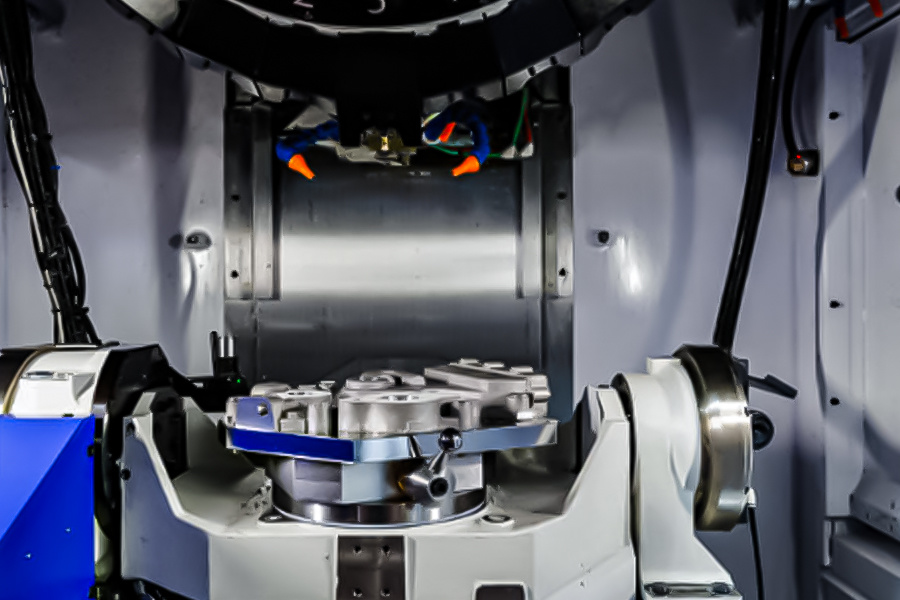
CNC machining multi-axis linkage accurately processes tooth profile and journal size
CNC machining technology plays a core role in the machining of precision gears and shaft parts, achieving high-precision micron-level precision, significantly improving the wear resistance and fatigue resistance of parts, and ensuring the stable operation and high quality of the transmission system. In modern industrial manufacturing, its application in automobile manufacturing, precision instruments, industrial equipment and other fields has significantly improved the overall quality.
2025-06-28
Automotive precision parts processing: Use high-precision gears to drive the future of new energy
The development of new energy vehicles has put forward higher requirements for the precision of parts. The breakthrough of micron-level manufacturing technology has laid the foundation for the stable operation of the power system. High-precision gears are innovatively applied in the energy conversion system of new energy vehicles, which reduces friction loss, improves transmission efficiency and prolongs gear life.
2025-06-18
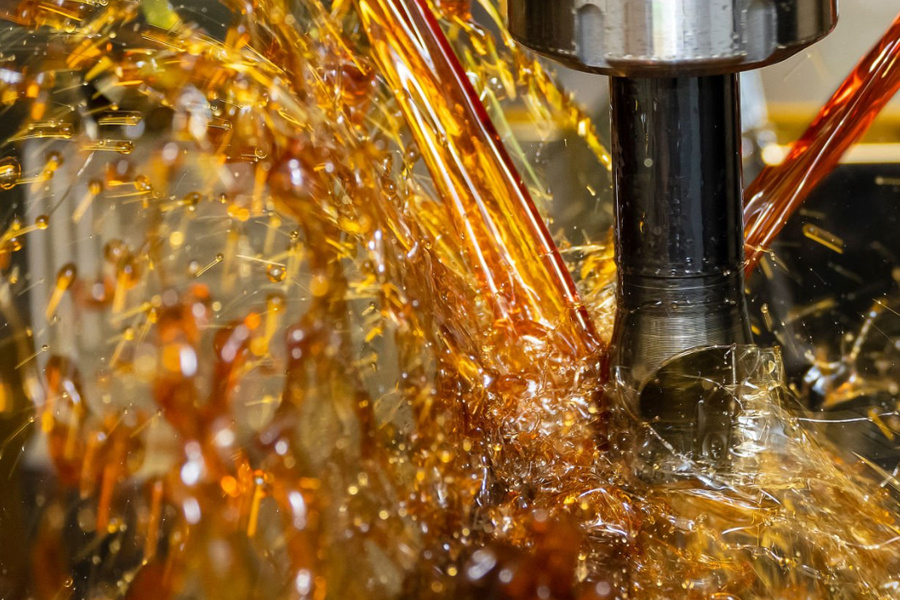
The manufacturing process of precision accessories in modern medical equipment, especially the use of core processing technologies such as CNC turning and laser micro-welding to achieve precise manufacturing in complex medical scenarios. These technologies not only require precise dimensional control, but also must meet biocompatibility and long-term stability.
2025-06-14
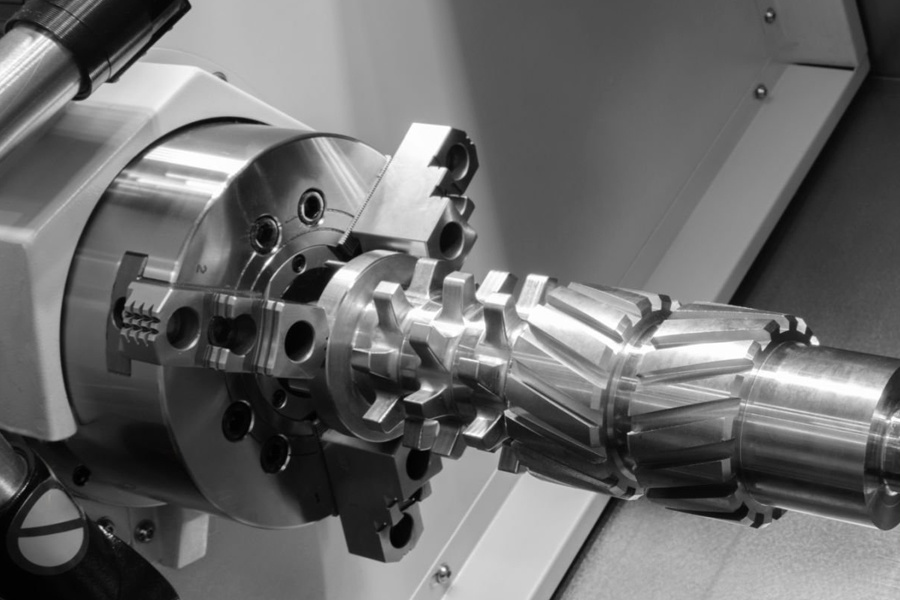
Five-axis machining centers have gradually become the core equipment for the manufacture of complex parts due to their multi-dimensional dynamic machining capabilities. Compared with four-axis equipment, five-axis machining centers significantly improve the machining accuracy and surface quality of special-shaped structural parts through multi-angle synchronous cutting, shortening the production cycle.
2025-06-11



Contact Information

Mailbox:haiqi.liang@chuntian-ctt.com
Company address: Area B and Area C, Building A, Factory Building 8, Hongqi Road, Hongqi Town, Jinwan District, Zhuhai City
Skype:haiqi.liang@chuntian-ctt.com
WhatsApp:+86 13318966480
Phone:+86 13318966480
Mail:haiqi.liang@chuntian-ctt.com