

CNC machining is suitable for complex parts, and machining can only do simple work?
Release time:
2025-01-31
CNC processing is suitable for complex parts, with high precision and high efficiency but high cost; machining is flexible and low-cost, suitable for simple parts, and the accuracy is affected by the level of workers. Both have their advantages and disadvantages, and the processing method should be selected reasonably.
In the field of mechanical processing, CNC processing and machining are both commonly used processing methods. Many people think that CNC processing is suitable for complex parts, and machining can only do simple work. Is this really the case? Next, let's compare the advantages and disadvantages of the two to find out.
Let's look at CNC processing first. It uses computer programs to control machine tools and realize automated processing. In precision processing, the precision advantage of CNC processing is very prominent, and it can achieve micron or even higher precision. When processing complex parts, this high precision ensures the accurate presentation of complex shapes. For example, in a turning and milling composite machining center, by writing complex programs, multiple complex processes can be completed in one clamping, and milling, drilling, boring and other operations can be performed on different parts of the parts to ensure the dimensional accuracy and form and position tolerance of the parts. It is particularly suitable for processing parts with complex curved surfaces and special-shaped structures, such as the blades of aircraft engines. Its complex curved surface shape can only be accurately manufactured by CNC processing. Moreover, CNC processing is highly efficient and can perform high-intensity uninterrupted work, which greatly shortens the production cycle. For mass production of complex parts, it has obvious advantages.

However, CNC machining also has some limitations. It has high requirements for equipment and high initial investment costs. It requires the purchase of high-precision machine tools and advanced control systems, and relies on precise programming. Programmers must not only be familiar with the processing technology, but also master programming skills. Writing processing programs for complex parts often takes a lot of time and energy. Once an error occurs in the program, it may cause serious errors in the entire processing process, resulting in material waste and production delays.
Let's talk about machining, which is the traditional manual operation of machine tools. For example, operating lathes and milling machines, machining is highly flexible. For the processing of simple parts, complex programming is not required. Workers can adjust the processing parameters at any time based on their experience. For example, they can temporarily modify the size and shape of the parts. Workers can quickly make changes by manually operating the machine tools according to the actual situation. Moreover, the equipment cost is relatively low, and small processing plants can easily afford it. In some simple parts processing that do not require high precision, machining can quickly complete the task, such as processing ordinary screws, nuts and other standard parts.
However, machining does have disadvantages when facing complex parts. The machining accuracy is greatly affected by the workers' status and technical level, and it is difficult to ensure high-precision consistency. When dealing with precision machining tasks of complex parts, it is difficult to meet the needs of industries such as aerospace and electronics that have extremely high precision requirements. In addition, the machining efficiency is relatively low, long-term machining is prone to human errors, and it takes a long time to train a worker who is proficient in machining technology.

Back to the original question, CNC machining is suitable for complex parts, and machining can only do simple work? The answer is no. Although CNC machining has significant advantages in the machining of complex parts, machining still has a lot of room for development in simple parts machining, small batch production, and scenes with low precision requirements due to its flexibility and low cost.
CNC machining and machining each have their own advantages and disadvantages. They are not completely independent, but complement each other. In actual production, the processing method should be reasonably selected according to factors such as the complexity of the parts, precision requirements, production batches, and cost budgets, so that the two can contribute to the development of the machining industry together.
Related Products
CNC machining multi-axis linkage accurately processes tooth profile and journal size
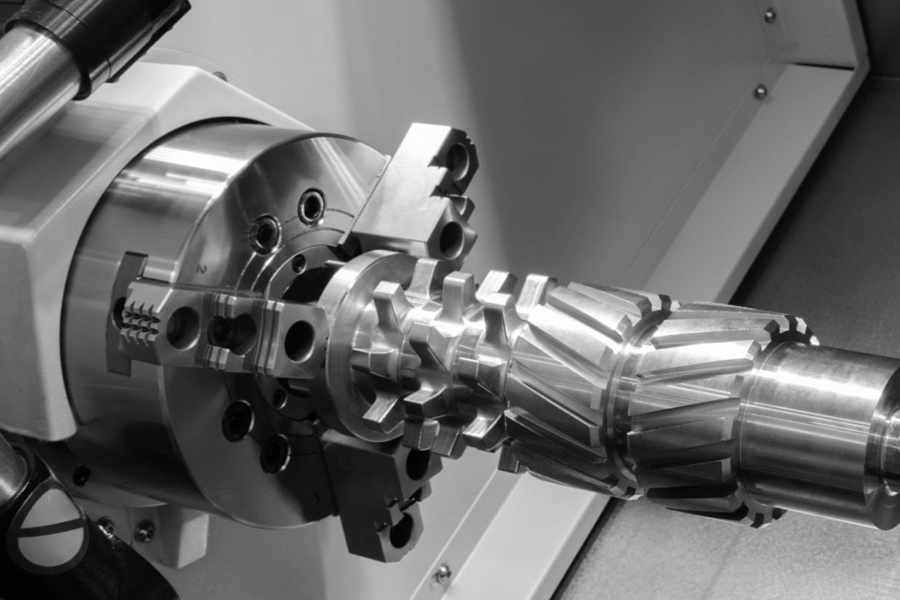
CNC machining technology plays a core role in the machining of precision gears and shaft parts, achieving high-precision micron-level precision, significantly improving the wear resistance and fatigue resistance of parts, and ensuring the stable operation and high quality of the transmission system. In modern industrial manufacturing, its application in automobile manufacturing, precision instruments, industrial equipment and other fields has significantly improved the overall quality.
2025-06-28
Automotive precision parts processing: Use high-precision gears to drive the future of new energy
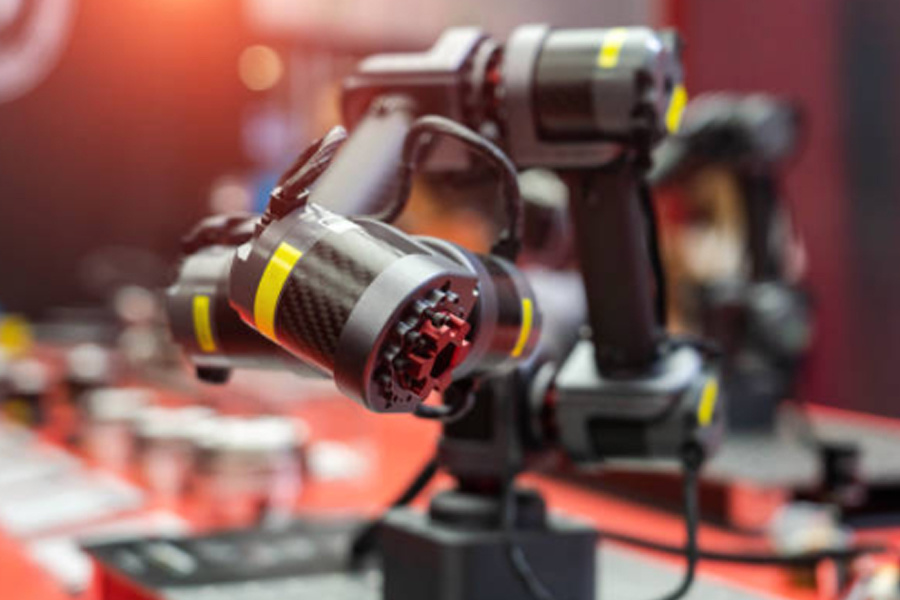
The development of new energy vehicles has put forward higher requirements for the precision of parts. The breakthrough of micron-level manufacturing technology has laid the foundation for the stable operation of the power system. High-precision gears are innovatively applied in the energy conversion system of new energy vehicles, which reduces friction loss, improves transmission efficiency and prolongs gear life.
2025-06-18
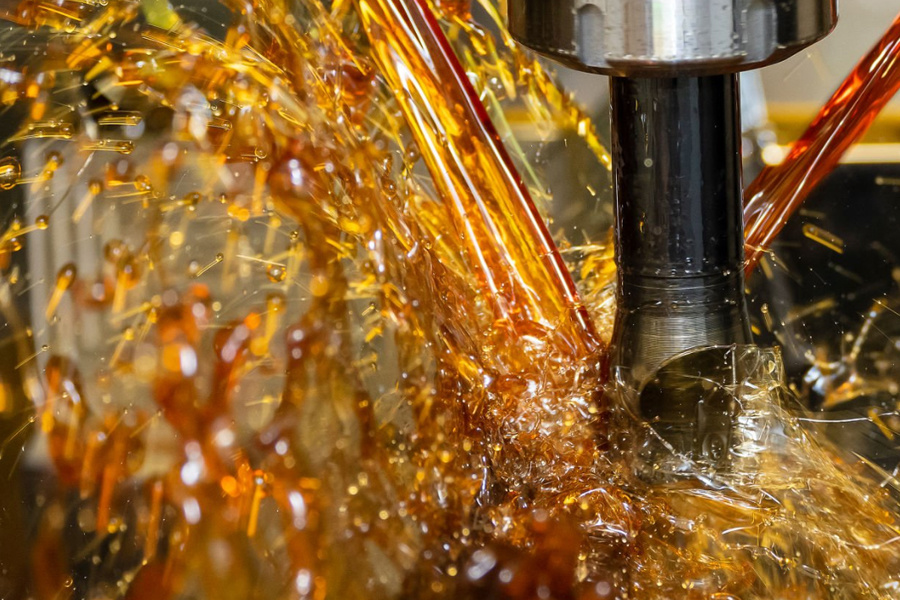
The manufacturing process of precision accessories in modern medical equipment, especially the use of core processing technologies such as CNC turning and laser micro-welding to achieve precise manufacturing in complex medical scenarios. These technologies not only require precise dimensional control, but also must meet biocompatibility and long-term stability.
2025-06-14
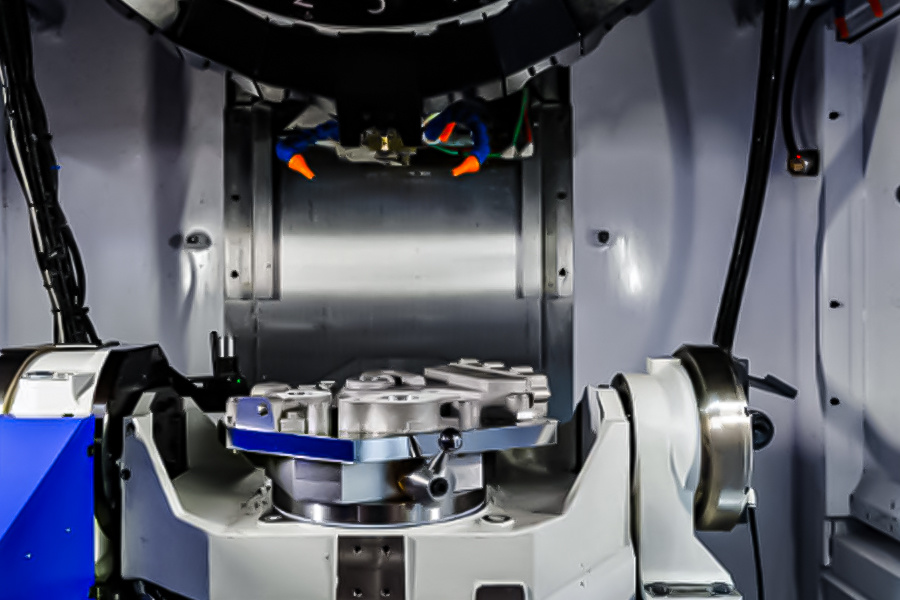
Five-axis machining centers have gradually become the core equipment for the manufacture of complex parts due to their multi-dimensional dynamic machining capabilities. Compared with four-axis equipment, five-axis machining centers significantly improve the machining accuracy and surface quality of special-shaped structural parts through multi-angle synchronous cutting, shortening the production cycle.
2025-06-11



Contact Information

Mailbox:haiqi.liang@chuntian-ctt.com
Company address: Area B and Area C, Building A, Factory Building 8, Hongqi Road, Hongqi Town, Jinwan District, Zhuhai City
Skype:haiqi.liang@chuntian-ctt.com
WhatsApp:+86 13318966480
Phone:+86 13318966480
Mail:haiqi.liang@chuntian-ctt.com