

Is the experience accumulation of machining more important than the CNC machining procedure?
Release time:
2025-01-24
Traditional machining relies on manual experience and is suitable for flexible and changeable tasks; CNC machining relies on program control and is suitable for high precision and high efficiency requirements. Both have their own advantages and should be used reasonably to meet production needs.
In the field of mechanical manufacturing, traditional machining and CNC machining (CNC machining) are both important processing methods. Traditional machining relies on the experience accumulation of workers, while CNC machining relies on precise program control. So, is the experience accumulation of traditional machining really more important than the program of CNC machining? We can analyze it by comparing their advantages and disadvantages.
Traditional machining mainly relies on manually operated machine tools, such as lathes and milling machines. Experienced workers can make real-time judgments and adjustments to the processing process by feel, hearing and vision. For example, when performing some simple parts processing, workers can flexibly adjust the cutting speed and feed rate according to the texture of the material and the sound during cutting. In precision machining, experienced masters can use their experience to process some parts of special shapes very accurately. In complex machining processes such as turning and milling, experience can also help workers deal with various emergencies, such as tool wear, loose workpieces, etc., and take timely measures to avoid machining errors.

However, traditional machining also has obvious limitations:
The machining accuracy is greatly affected by the workers' status and technical level, and it is difficult to ensure high-precision consistency. When facing precision machining tasks with high-precision requirements, it may not meet the needs.
The processing efficiency is relatively low, long-term processing is prone to human errors, and the technical requirements for workers are high. It takes a long time to train a skilled worker.
Let's look at CNC machining. It uses computer programs to control machine tools and realize automated processing. The program is like the "brain" of CNC machining. Once set, the machine tool can run accurately according to the instructions. In the turning and milling composite machining center, by writing complex programs, multiple complex processes can be completed in one clamping to ensure the dimensional accuracy and form and position tolerance of parts, which is particularly suitable for processing parts with complex shapes. CNC machining has high precision, which can reach microns or even higher precision, and has high processing efficiency. It can work 24 hours a day, greatly shortening the production cycle.

However, CNC machining is not perfect. It has high requirements for equipment, high initial investment costs, and relies on precise programming. If there is an error in the program, it may cause serious errors in the entire processing process, and for some simple, temporary processing tasks, writing programs will take a lot of time.
Back to the original question, which is more important, the experience accumulation of traditional machining or the program of CNC machining? In fact, it cannot be simply determined which is more important. In some scenarios where the requirements for precision and efficiency are not high and the processing tasks are more flexible and changeable, the experience accumulation of traditional machining can play an important role. Workers can make quick adjustments based on their experience to complete the processing tasks. However, in scenarios where precision machining, complex shape parts processing, and large-scale production require extremely high precision and efficiency, the CNC machining program is more critical. It can ensure high precision and high efficiency of machining and meet production needs.
The experience accumulation of traditional machining and the CNC machining program are each important. They complement each other and jointly promote the development of the machinery manufacturing industry. In actual production, traditional machining and CNC machining should be used reasonably according to specific processing needs to give full play to their respective advantages.
Related Products
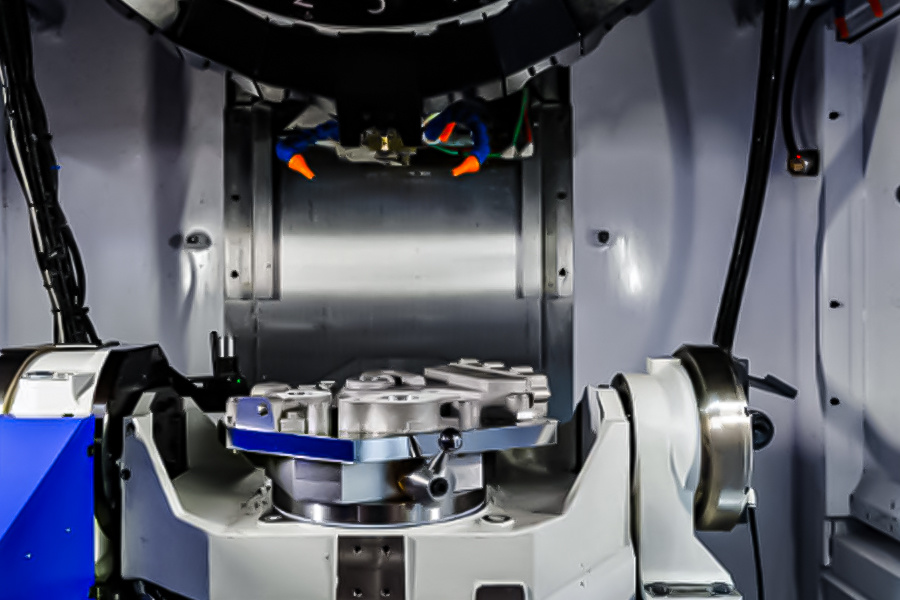
CNC machining multi-axis linkage accurately processes tooth profile and journal size
CNC machining technology plays a core role in the machining of precision gears and shaft parts, achieving high-precision micron-level precision, significantly improving the wear resistance and fatigue resistance of parts, and ensuring the stable operation and high quality of the transmission system. In modern industrial manufacturing, its application in automobile manufacturing, precision instruments, industrial equipment and other fields has significantly improved the overall quality.
2025-06-28
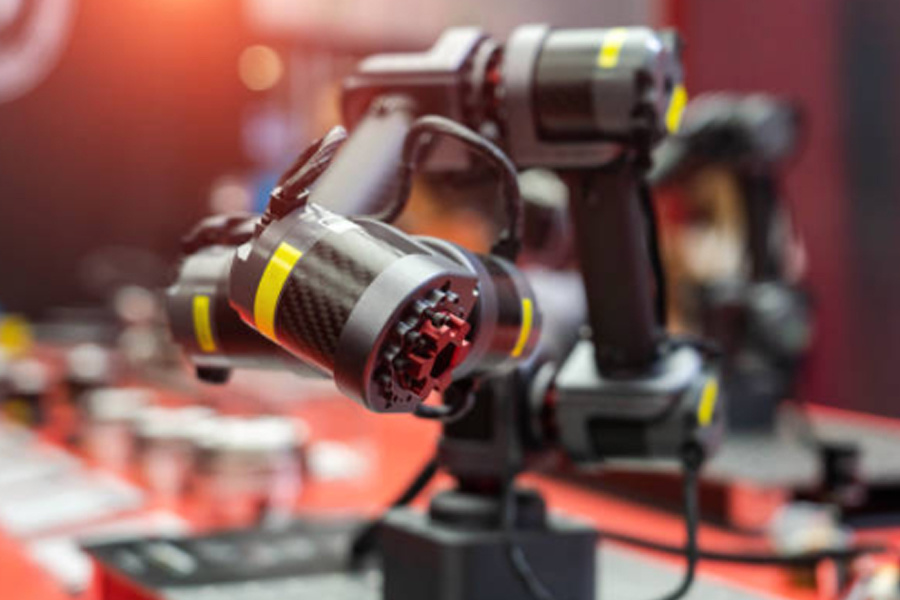
Automotive precision parts processing: Use high-precision gears to drive the future of new energy
The development of new energy vehicles has put forward higher requirements for the precision of parts. The breakthrough of micron-level manufacturing technology has laid the foundation for the stable operation of the power system. High-precision gears are innovatively applied in the energy conversion system of new energy vehicles, which reduces friction loss, improves transmission efficiency and prolongs gear life.
2025-06-18
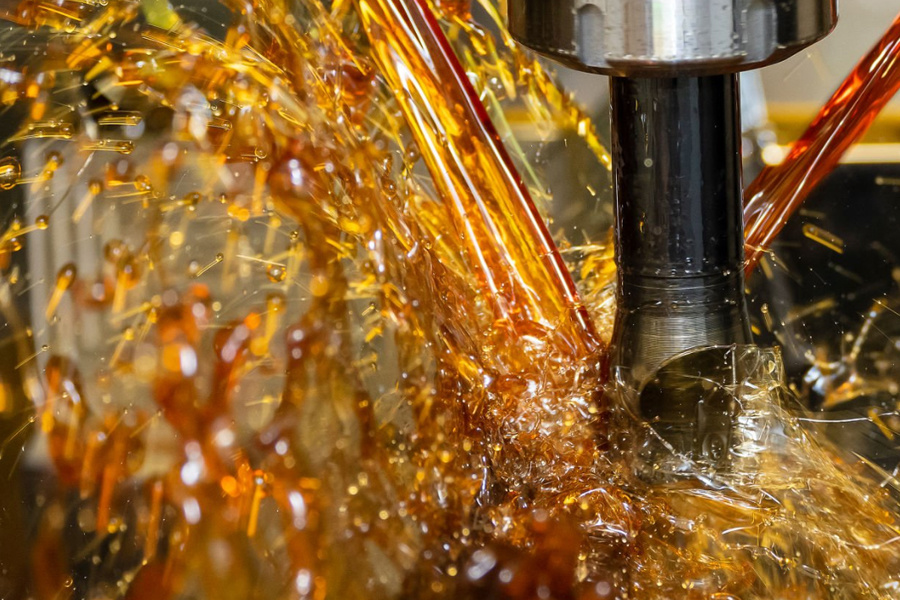
The manufacturing process of precision accessories in modern medical equipment, especially the use of core processing technologies such as CNC turning and laser micro-welding to achieve precise manufacturing in complex medical scenarios. These technologies not only require precise dimensional control, but also must meet biocompatibility and long-term stability.
2025-06-14
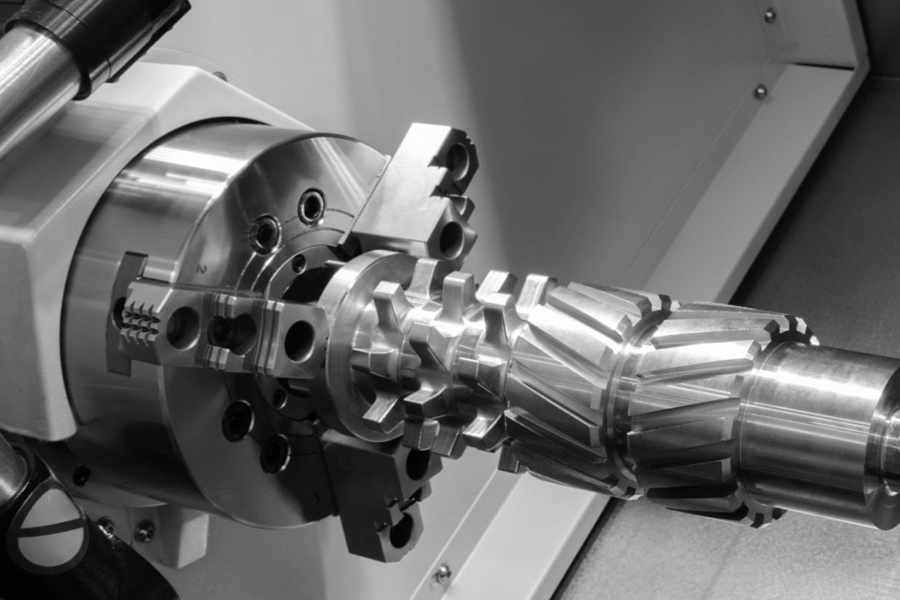
Five-axis machining centers have gradually become the core equipment for the manufacture of complex parts due to their multi-dimensional dynamic machining capabilities. Compared with four-axis equipment, five-axis machining centers significantly improve the machining accuracy and surface quality of special-shaped structural parts through multi-angle synchronous cutting, shortening the production cycle.
2025-06-11



Contact Information

Mailbox:haiqi.liang@chuntian-ctt.com
Company address: Area B and Area C, Building A, Factory Building 8, Hongqi Road, Hongqi Town, Jinwan District, Zhuhai City
Skype:haiqi.liang@chuntian-ctt.com
WhatsApp:+86 13318966480
Phone:+86 13318966480
Mail:haiqi.liang@chuntian-ctt.com