

Is traditional manual machining more reliable than CNC machining?
Release time:
2025-01-16
Traditional processing relies on manual experience and is flexible in specific scenarios; CNC processing such as CNC lathes and CNC milling is highly precise and stable, especially suitable for precision and complex parts and large-scale production. Enterprises should choose according to their needs.
In the processing field of manufacturing industry, traditional machining occupies an important position in the industry with its long-term accumulated manual experience and operating skills. However, with the rapid development of science and technology, CNC machining has gradually emerged, bringing new changes to the processing industry. But some people think that traditional machining manual operation is more reliable, and CNC machining is just a gimmick. Is this view really correct? Let's explore it in depth.
Traditional machining relies on manual operation of workers, and experienced masters can respond quickly to subtle changes in the processing process with their keen sense of touch and years of accumulated experience. For example, in some small factories, workers can complete the processing of some simple parts by manually operating ordinary lathes, and can adjust the position and cutting parameters of the tool at any time according to the actual situation during the processing. This flexibility of manual operation does show certain advantages in certain specific scenarios.

However, CNC machining is not just a gimmick as some people think. Take CNC lathe processing as an example. It controls the movement of the machine tool through pre-written programs, which can achieve highly precise processing. When performing precision machining, CNC lathes can achieve micron-level accuracy, which is difficult to achieve with manual operation. Moreover, CNC milling processing also has the characteristics of high precision. For parts with complex shapes, such as mold processing, complex contour milling can be achieved through precise programming, ensuring the consistency and accuracy of the product.
Let's look at turning and milling composite processing, which is an advanced technology in CNC processing. It integrates the functions of turning and milling, and can complete multiple processing procedures on one device. When processing parts of aircraft engines, turning and milling composite processing can complete multiple operations such as turning outer circles, milling planes, and drilling in one clamping, avoiding the errors caused by multiple clampings, and greatly improving the processing accuracy and efficiency. In contrast, traditional machining requires multiple clamping and processing on different equipment to complete the same task, which is not only inefficient, but also difficult to ensure the high precision requirements of parts due to the cumulative errors of multiple clampings.
The reliability of CNC processing is also reflected in stability. Once the program is written and confirmed to be correct after debugging, the CNC processing equipment can run stably according to the program, without being affected by factors such as workers' emotions and fatigue. In large-scale production, CNC processing can ensure the stability of product quality, which is crucial for the production management and product quality control of enterprises.

Of course, we cannot completely deny the value of traditional machining manual operation. In some special cases, such as single-piece small batch simple parts processing, or when the processing technology needs to be adjusted drastically temporarily, the flexibility of traditional machining manual operation can play a role. But in general, CNC machining has irreplaceable advantages in precision machining, complex parts processing and large-scale production, and is by no means a so-called gimmick.
With the continuous advancement of science and technology, CNC machining technology is also continuing to develop and improve. In the future, CNC machining will be deeply integrated with technologies such as artificial intelligence and big data to further enhance its processing capabilities and intelligence level. When choosing a processing method, enterprises should comprehensively consider factors such as their own production needs, product characteristics, and technical strength, and reasonably utilize the advantages of traditional machining and CNC machining to achieve the best production results.
Related Products
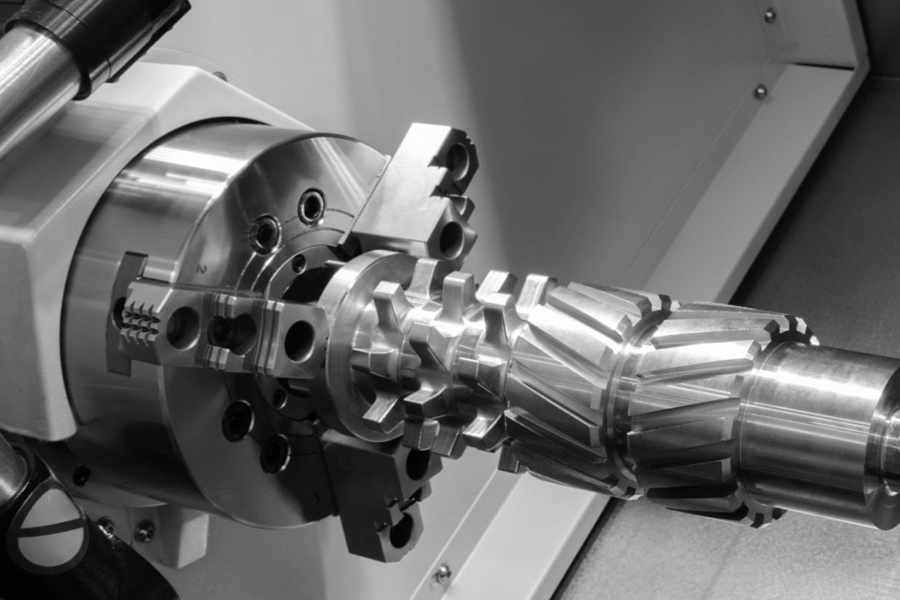
CNC machining multi-axis linkage accurately processes tooth profile and journal size
CNC machining technology plays a core role in the machining of precision gears and shaft parts, achieving high-precision micron-level precision, significantly improving the wear resistance and fatigue resistance of parts, and ensuring the stable operation and high quality of the transmission system. In modern industrial manufacturing, its application in automobile manufacturing, precision instruments, industrial equipment and other fields has significantly improved the overall quality.
2025-06-28
Automotive precision parts processing: Use high-precision gears to drive the future of new energy
The development of new energy vehicles has put forward higher requirements for the precision of parts. The breakthrough of micron-level manufacturing technology has laid the foundation for the stable operation of the power system. High-precision gears are innovatively applied in the energy conversion system of new energy vehicles, which reduces friction loss, improves transmission efficiency and prolongs gear life.
2025-06-18
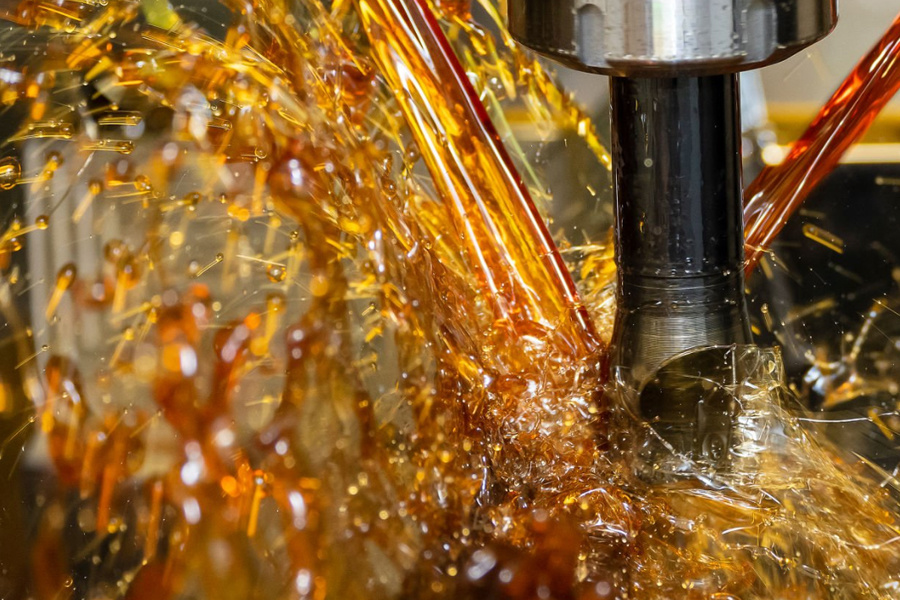
The manufacturing process of precision accessories in modern medical equipment, especially the use of core processing technologies such as CNC turning and laser micro-welding to achieve precise manufacturing in complex medical scenarios. These technologies not only require precise dimensional control, but also must meet biocompatibility and long-term stability.
2025-06-14
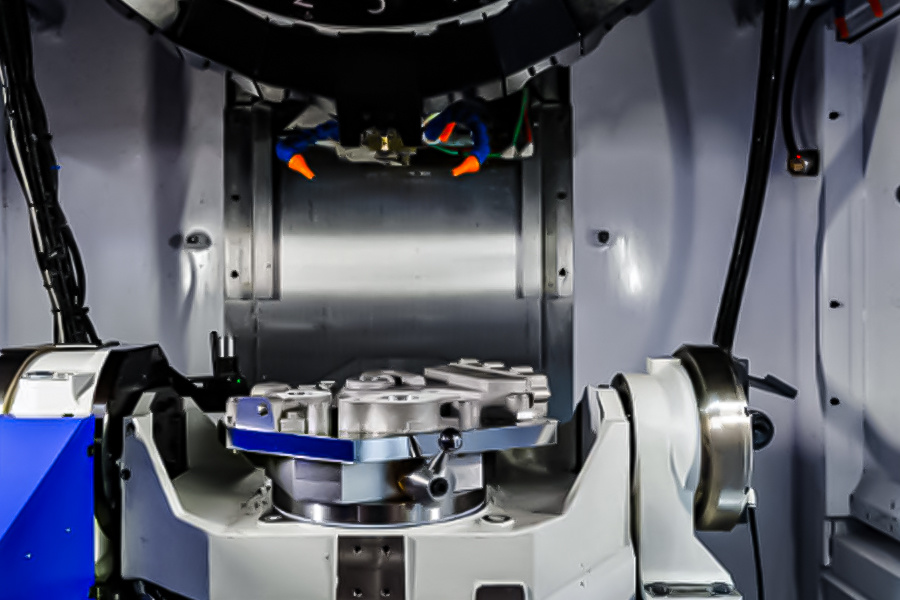
Five-axis machining centers have gradually become the core equipment for the manufacture of complex parts due to their multi-dimensional dynamic machining capabilities. Compared with four-axis equipment, five-axis machining centers significantly improve the machining accuracy and surface quality of special-shaped structural parts through multi-angle synchronous cutting, shortening the production cycle.
2025-06-11



Contact Information

Mailbox:haiqi.liang@chuntian-ctt.com
Company address: Area B and Area C, Building A, Factory Building 8, Hongqi Road, Hongqi Town, Jinwan District, Zhuhai City
Skype:haiqi.liang@chuntian-ctt.com
WhatsApp:+86 13318966480
Phone:+86 13318966480
Mail:haiqi.liang@chuntian-ctt.com