

Does CNC machining really have a cost advantage over traditional machining?
Release time:
2025-01-15
Although CNC machining has high equipment costs, it performs well in manpower, efficiency and accuracy, and is suitable for large-scale and precision machining; traditional machining is cheaper when producing simple parts in small batches. Enterprises should consider multiple factors to choose the appropriate machining method.
In the manufacturing industry, the choice of processing method directly affects production costs and product quality. CNC machining, as a modern processing technology, has been widely used in recent years, and traditional machining also has a deep foundation in the industry. So, does CNC machining really have more cost advantages than traditional machining? This requires us to analyze from multiple aspects.
Traditional machining mainly relies on manual operation of machine tools, and the experience and skills of workers are used to complete the processing of parts. CNC machining, that is, computer numerical control machining, is a method of controlling the movement and processing of machine tools using digital information.

From the perspective of equipment cost, CNC machining equipment, such as CNC lathe machining equipment, CNC milling machining equipment, etc., are usually more expensive. A high-precision CNC lathe may cost hundreds of thousands or even millions of yuan, while some CNC machining centers with turning and milling compound functions are more expensive. In contrast, the purchase cost of traditional machining equipment is relatively low. However, CNC machining equipment has higher precision and stability, can meet the needs of precision machining, and reduce scrap rate. In the long run, this may reduce the cost increase caused by unqualified products.
In terms of labor costs, traditional machining requires high skills from workers, and experienced masters are needed to ensure the quality of machining. It takes a long time to train a skilled traditional machining worker, and the labor cost is relatively high. Moreover, workers are prone to fatigue after working for a long time, which may affect the machining accuracy. CNC machining is different. Although professional programmers are required to write programs in the early stage, during the machining process, operators only need to perform simple monitoring and operations, which greatly reduces the demand for manpower. For example, in some large manufacturing companies, CNC lathe machining and CNC milling machining are used, and only a small number of technicians are needed to manage multiple devices, which greatly reduces the labor cost.
In terms of machining efficiency, CNC machining equipment has obvious advantages in machining complex parts. Taking turning and milling composite machining as an example, it can complete multiple machining processes in one clamping, such as turning, milling, drilling, etc., avoiding errors caused by multiple clampings, and also saving machining time. When machining complex parts, traditional machining may require multiple changes of equipment and tooling, and the machining efficiency is low. For mass-produced parts, the high efficiency of CNC machining can significantly reduce the processing cost per unit product.

However, in certain specific cases, traditional machining also has its cost advantages. For example, for small-batch production of some simple parts, traditional machining equipment is more flexible and can be directly processed without complex programming and debugging. At this time, the cost of using traditional machining may be lower.
In summary, CNC machining has a large initial investment in equipment costs, but it has advantages in labor costs, processing efficiency, and ensuring product accuracy and reducing scrap rates. For large-scale production and precision machining needs, it is often more cost-effective in the long run. Traditional machining may be more cost-effective when producing simple parts in small batches. When choosing a processing method, enterprises need to comprehensively consider factors such as product characteristics, production batches, precision requirements, and their own financial and technical conditions, weigh the pros and cons, and make the most suitable choice to optimize production costs and maximize corporate benefits.
Related Products
CNC machining multi-axis linkage accurately processes tooth profile and journal size
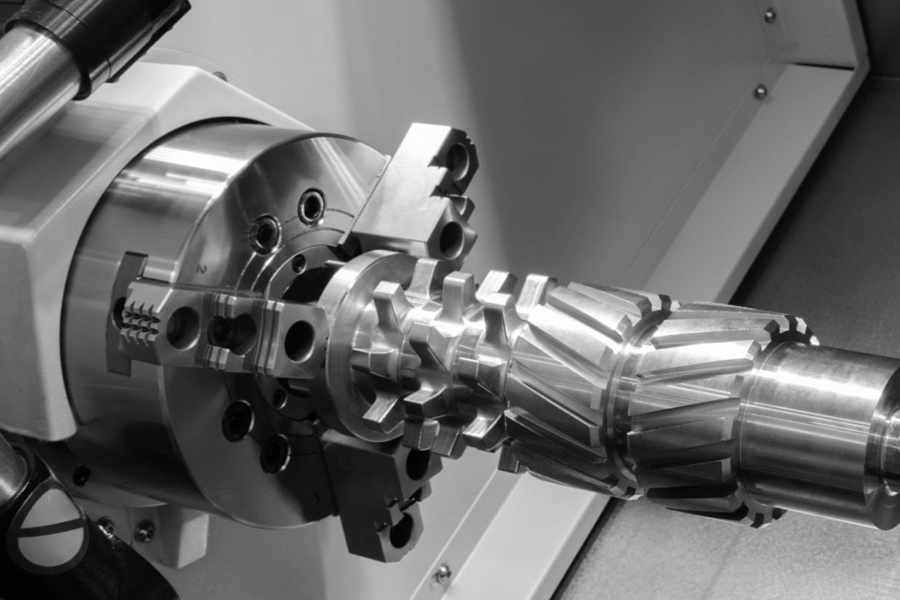
CNC machining technology plays a core role in the machining of precision gears and shaft parts, achieving high-precision micron-level precision, significantly improving the wear resistance and fatigue resistance of parts, and ensuring the stable operation and high quality of the transmission system. In modern industrial manufacturing, its application in automobile manufacturing, precision instruments, industrial equipment and other fields has significantly improved the overall quality.
2025-06-28
Automotive precision parts processing: Use high-precision gears to drive the future of new energy
The development of new energy vehicles has put forward higher requirements for the precision of parts. The breakthrough of micron-level manufacturing technology has laid the foundation for the stable operation of the power system. High-precision gears are innovatively applied in the energy conversion system of new energy vehicles, which reduces friction loss, improves transmission efficiency and prolongs gear life.
2025-06-18
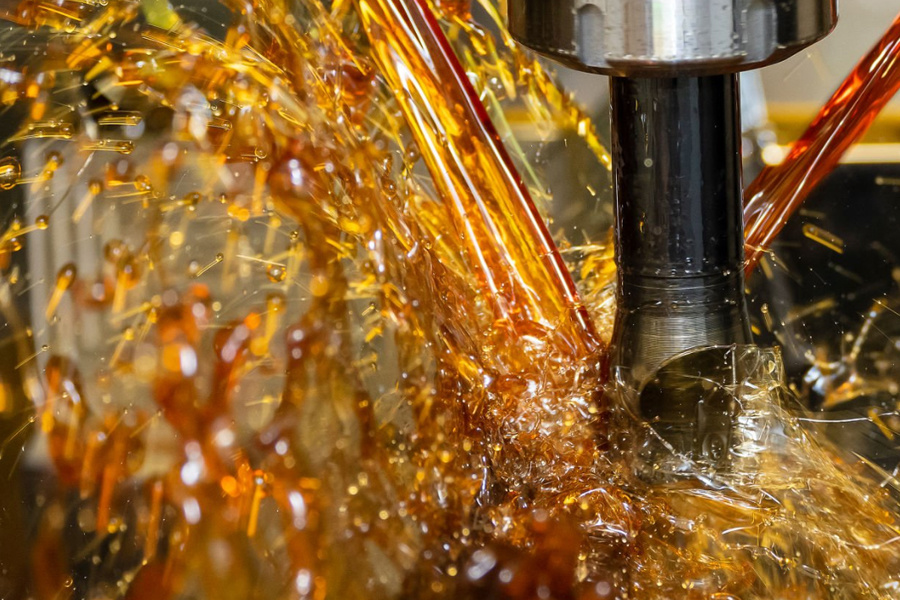
The manufacturing process of precision accessories in modern medical equipment, especially the use of core processing technologies such as CNC turning and laser micro-welding to achieve precise manufacturing in complex medical scenarios. These technologies not only require precise dimensional control, but also must meet biocompatibility and long-term stability.
2025-06-14
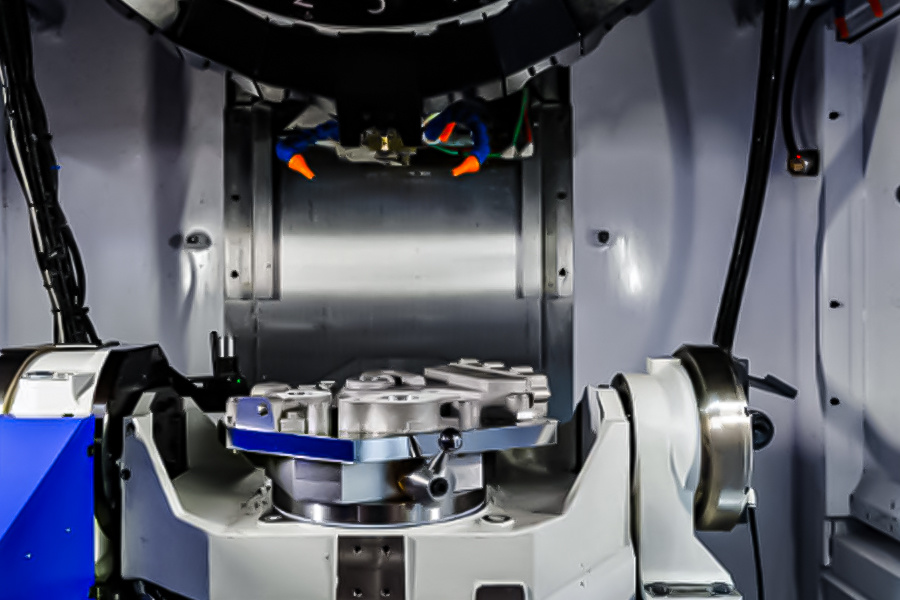
Five-axis machining centers have gradually become the core equipment for the manufacture of complex parts due to their multi-dimensional dynamic machining capabilities. Compared with four-axis equipment, five-axis machining centers significantly improve the machining accuracy and surface quality of special-shaped structural parts through multi-angle synchronous cutting, shortening the production cycle.
2025-06-11



Contact Information

Mailbox:haiqi.liang@chuntian-ctt.com
Company address: Area B and Area C, Building A, Factory Building 8, Hongqi Road, Hongqi Town, Jinwan District, Zhuhai City
Skype:haiqi.liang@chuntian-ctt.com
WhatsApp:+86 13318966480
Phone:+86 13318966480
Mail:haiqi.liang@chuntian-ctt.com