

How to achieve ±0.01mm accuracy for complex parts with 5-axis CNC machining
Release time:
2025-02-24
5-axis CNC machining achieves ±0.01mm precision machining with the help of high-precision machine tool structure and precision tool path planning, meeting the needs of high-end manufacturing industry. The control system monitors the machine tool status in real time, automatically compensates for tool wear, stabilizes the machining environment, and ensures machining accuracy.
In the field of modern precision machining, the requirements for the machining accuracy of complex parts are getting higher and higher. With its unique advantages, 5-axis CNC machining can achieve the machining of complex parts with an accuracy of ±0.01mm, meeting the needs of many high-end manufacturing industries. So, how does 5-axis CNC machining do this?
High-precision machine tool structure
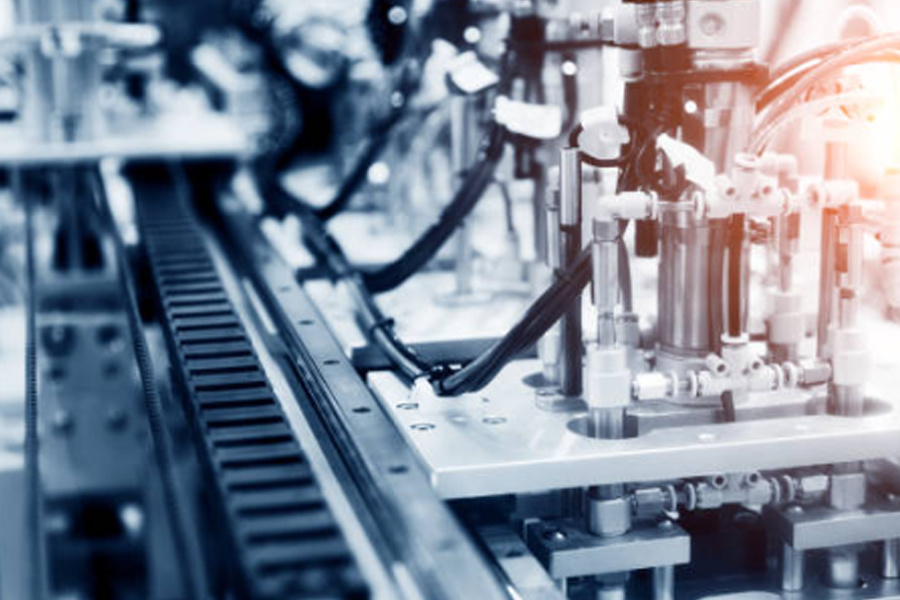
The structural design of 5-axis CNC machining machine tools is the basis for achieving high-precision machining. The bed, column and other key components of the machine tool are made of high-rigidity materials, such as high-quality cast iron or high-strength alloy. These materials have good shock resistance and stability, and can effectively reduce the errors caused by vibration and deformation during the machining process. At the same time, the guide rails and lead screws of the machine tool adopt high-precision grinding technology to ensure the smoothness of movement and positioning accuracy. For example, the ball screw pair is used, and the gap between the lead screw and the nut is extremely small. The reverse gap is eliminated by pre-tightening, so that the worktable can be accurately positioned when moving, providing hardware guarantee for achieving ±0.01mm accuracy.
Accurate tool path planning
In 5-axis CNC machining, accurate tool path planning is crucial. Programmers need to use professional CAM software to design tool paths based on the 3D model of the parts. Taking CNC milling as an example, when machining complex surfaces, factors such as the cutting angle, cutting depth and feed speed of the tool should be fully considered. By optimizing the tool path, the tool can cut along the most reasonable trajectory, avoiding interference and collision between the tool and the workpiece, while reducing the fluctuation of the cutting force. For example, the use of strategies such as contour machining and spiral machining can keep the tool in a stable cutting state during the machining process and ensure the consistency of machining accuracy.
Advanced programming and control system
Advanced programming and control system is the core of 5-axis CNC machining to achieve high precision. The control system can monitor the operating status of the machine tool in real time and accurately control the position, speed and other parameters of the tool. For example, the use of nanometer-level interpolation algorithms can refine the command pulses to extremely small units, making the movement of the machine tool smoother and more precise. At the same time, the control system also has an automatic compensation function, which can automatically adjust the processing parameters according to factors such as thermal deformation of the machine tool and tool wear to ensure that the processing accuracy is always maintained within the range of ±0.01mm.

Stable processing environment
A stable processing environment is also an important condition for achieving high-precision processing. Environmental factors such as temperature and humidity will affect the machine tool and the workpiece. In a precision processing workshop, a constant temperature and humidity system is usually equipped to control the temperature and humidity in the workshop within a certain range. For example, the temperature is controlled at 20℃±1℃ and the humidity is controlled at 40%-60%, which can effectively reduce the change in workpiece size and the decrease in machine tool accuracy caused by thermal expansion and contraction.
5-axis CNC machining achieves the processing of complex parts with a precision of ±0.01mm through the synergy of high-precision machine tool structure, precise tool path planning, advanced programming and control system, and stable processing environment. In the fields of CNC processing, machining, precision processing, etc., 5-axis CNC processing technology is playing an increasingly important role, driving the manufacturing industry to develop in the direction of higher precision and higher quality.
Related Products
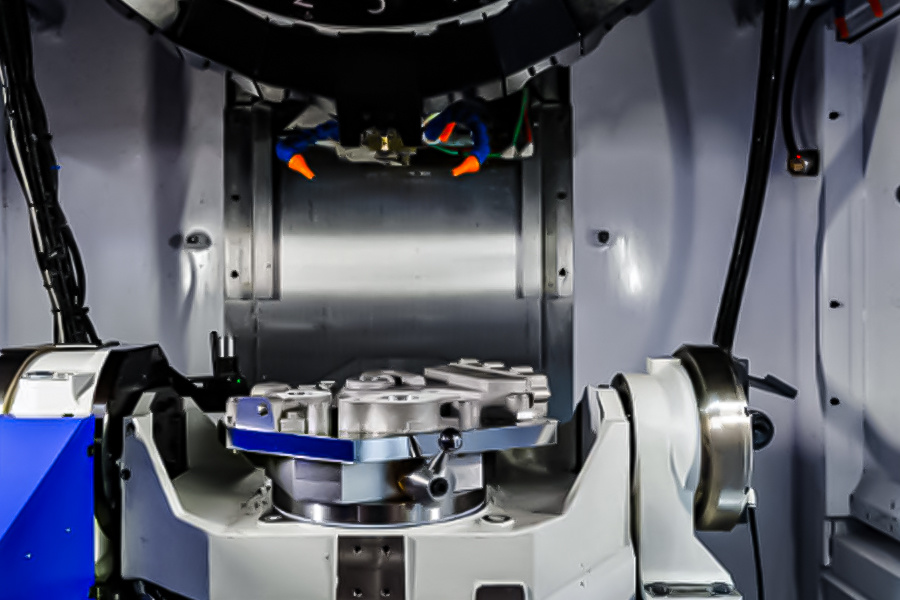
CNC machining multi-axis linkage accurately processes tooth profile and journal size
CNC machining technology plays a core role in the machining of precision gears and shaft parts, achieving high-precision micron-level precision, significantly improving the wear resistance and fatigue resistance of parts, and ensuring the stable operation and high quality of the transmission system. In modern industrial manufacturing, its application in automobile manufacturing, precision instruments, industrial equipment and other fields has significantly improved the overall quality.
2025-06-28
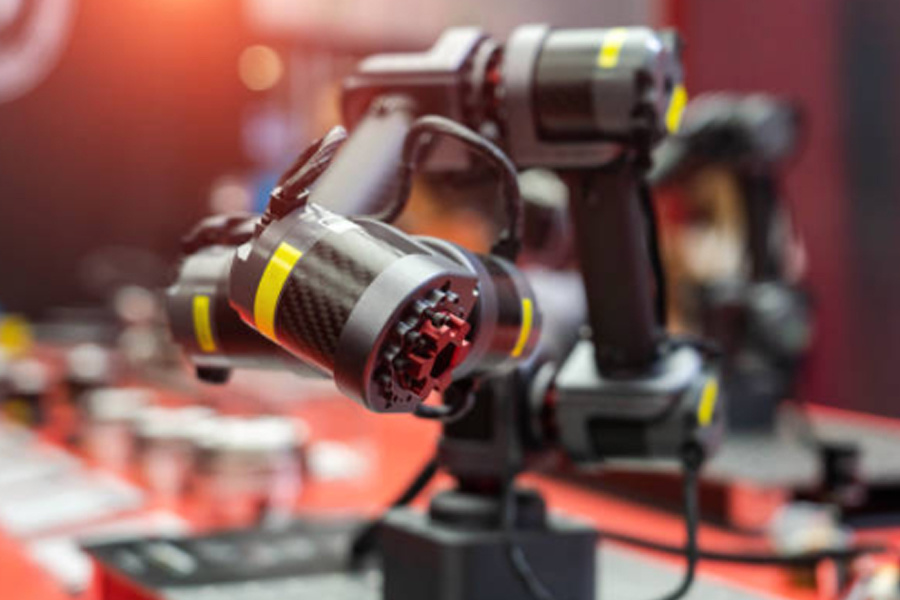
Automotive precision parts processing: Use high-precision gears to drive the future of new energy
The development of new energy vehicles has put forward higher requirements for the precision of parts. The breakthrough of micron-level manufacturing technology has laid the foundation for the stable operation of the power system. High-precision gears are innovatively applied in the energy conversion system of new energy vehicles, which reduces friction loss, improves transmission efficiency and prolongs gear life.
2025-06-18
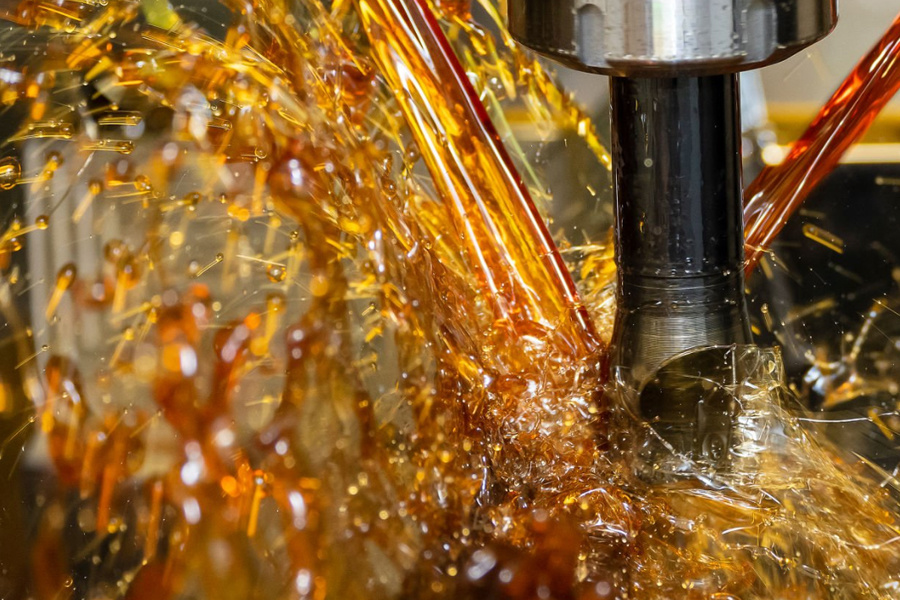
The manufacturing process of precision accessories in modern medical equipment, especially the use of core processing technologies such as CNC turning and laser micro-welding to achieve precise manufacturing in complex medical scenarios. These technologies not only require precise dimensional control, but also must meet biocompatibility and long-term stability.
2025-06-14
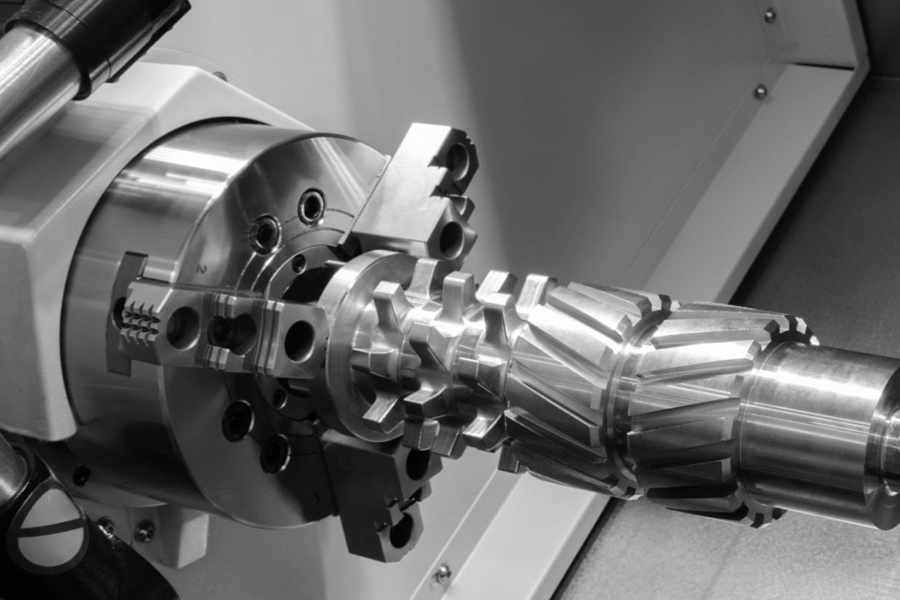
Five-axis machining centers have gradually become the core equipment for the manufacture of complex parts due to their multi-dimensional dynamic machining capabilities. Compared with four-axis equipment, five-axis machining centers significantly improve the machining accuracy and surface quality of special-shaped structural parts through multi-angle synchronous cutting, shortening the production cycle.
2025-06-11



Contact Information

Mailbox:haiqi.liang@chuntian-ctt.com
Company address: Area B and Area C, Building A, Factory Building 8, Hongqi Road, Hongqi Town, Jinwan District, Zhuhai City
Skype:haiqi.liang@chuntian-ctt.com
WhatsApp:+86 13318966480
Phone:+86 13318966480
Mail:haiqi.liang@chuntian-ctt.com