

Machining can adjust the process at any time, and CNC machining is limited by the program?
Release time:
2025-02-03
Machining can flexibly adjust the process and is suitable for small batches of personalized products; CNC machining program control ensures high precision and stability and is suitable for large-scale production. Enterprises need to weigh their choices based on production needs.
In the field of mechanical processing, machining and CNC machining (CNC machining) are two mainstream processing methods, each with its own characteristics. Many people believe that machining can adjust the process at any time, while CNC machining is limited by the program. Let's discuss the facts.
Machining: The advantage of flexible process adjustment
Machining relies on workers to manually operate the machine tools, which gives it extremely high flexibility. When faced with workpieces of different shapes and sizes, experienced workers can quickly adjust the processing technology with their professional knowledge and operating experience. During the processing, if the surface of the workpiece is found to be abnormal, such as the roughness does not meet the requirements, the worker can immediately determine the problem and change the cutting speed, feed rate and other parameters in time. Taking the processing of simple shaft parts as an example, during the turning process, the worker can flexibly adjust the cutting depth and feed speed of the tool according to the shape, color and sound of the chips during cutting to ensure the processing quality. This ability to adjust the process in real time makes machining have obvious advantages in dealing with small batch and multi-variety production tasks, and can quickly respond to temporary changes in product design.

CNC machining: precision and efficiency under program restrictions
CNC machining mainly relies on pre-written programs to control the operation of machine tools. In complex operations such as CNC lathe machining, CNC milling machining, and milling machining, the program specifies key information such as the tool's motion trajectory and cutting parameters in detail. This means that once the program is determined, the CNC equipment will strictly follow the program during the machining process, and it is difficult to adjust it at any time like machining. For example, when performing precision machining of complex curved parts, the CNC equipment will accurately complete each machining action according to the tool path set by the program. If the process is to be adjusted, professional programmers are required to modify and debug the program, and this process often takes a certain amount of time and effort.
However, CNC machining is not entirely a disadvantage because of program restrictions. It is precisely because of the strict control of the program that CNC machining can ensure the high consistency and stability of the machining process. In mass production, it ensures that each part can achieve the same accuracy and quality standards, which is difficult to achieve in machining. Moreover, with the development of technology, some advanced CNC systems have a certain degree of adaptive ability, which can automatically fine-tune certain parameters based on real-time monitoring data during the machining process, which to a certain extent makes up for the lack of program flexibility.

Trade-offs in practical applications
In actual production, enterprises need to weigh their choices based on specific production needs. For some production tasks with extremely high precision requirements and large batches, such as large-scale production of automotive parts, CNC machining can better meet the needs of enterprises with its stable processing quality and efficient production capacity. Although the program adjustment is relatively complex, the initial program writing and debugging investment can be rewarded in long-term production. For small batches and personalized customized products, the flexibility of machining to adjust the process at any time is more advantageous, which can quickly respond to customer needs and reduce production costs.
The view that machining can adjust the process at any time and CNC machining is limited by the program has certain rationality, but it cannot be generalized. The two processing methods have their own advantages and disadvantages in different production scenarios. Enterprises should consider their own production characteristics, product requirements, cost budget and other factors comprehensively, and reasonably choose machining or CNC processing methods to maximize production benefits.
Related Products
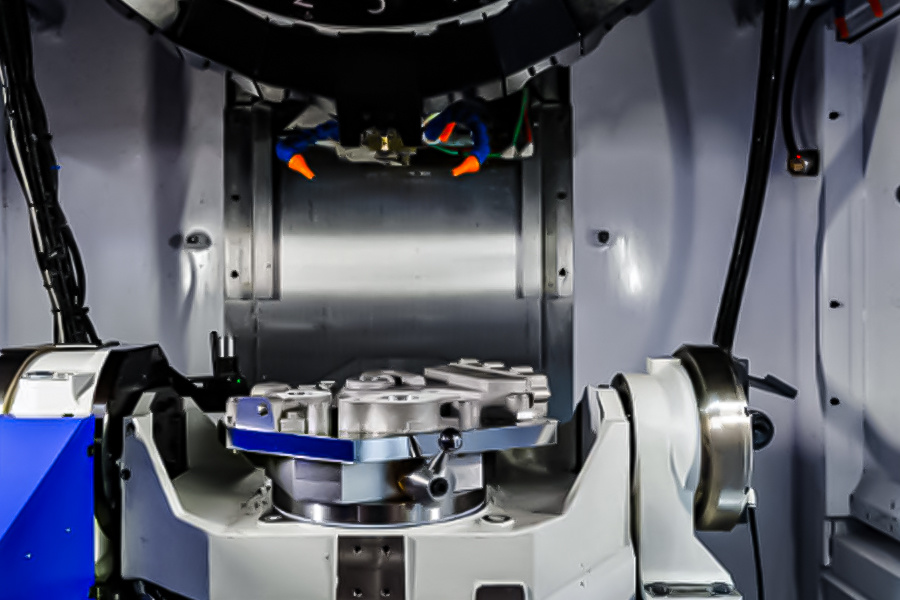
CNC machining multi-axis linkage accurately processes tooth profile and journal size
CNC machining technology plays a core role in the machining of precision gears and shaft parts, achieving high-precision micron-level precision, significantly improving the wear resistance and fatigue resistance of parts, and ensuring the stable operation and high quality of the transmission system. In modern industrial manufacturing, its application in automobile manufacturing, precision instruments, industrial equipment and other fields has significantly improved the overall quality.
2025-06-28
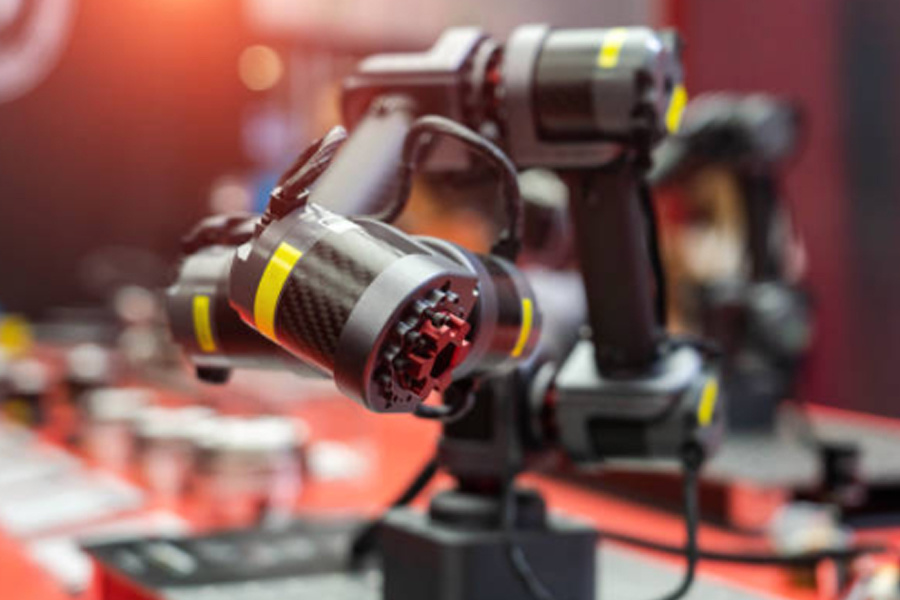
Automotive precision parts processing: Use high-precision gears to drive the future of new energy
The development of new energy vehicles has put forward higher requirements for the precision of parts. The breakthrough of micron-level manufacturing technology has laid the foundation for the stable operation of the power system. High-precision gears are innovatively applied in the energy conversion system of new energy vehicles, which reduces friction loss, improves transmission efficiency and prolongs gear life.
2025-06-18
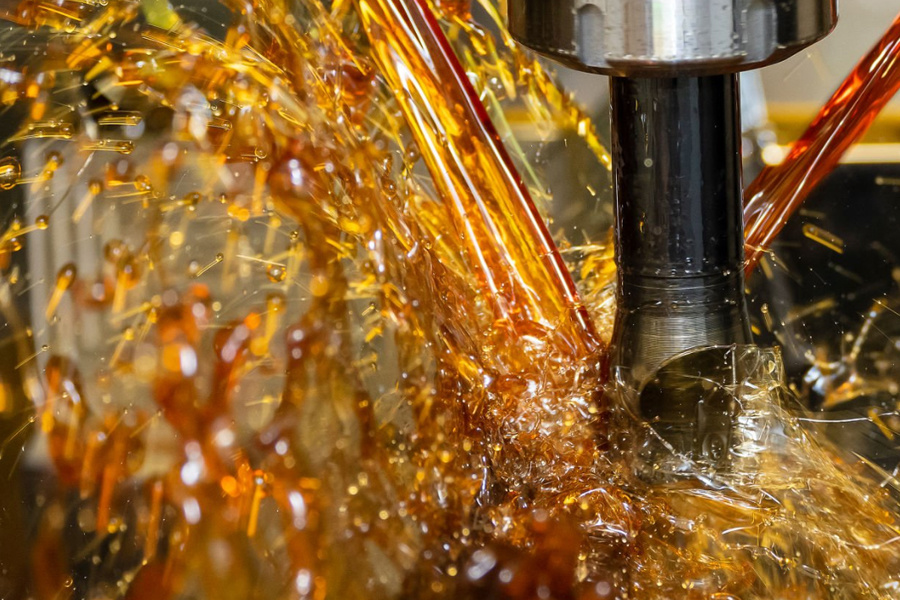
The manufacturing process of precision accessories in modern medical equipment, especially the use of core processing technologies such as CNC turning and laser micro-welding to achieve precise manufacturing in complex medical scenarios. These technologies not only require precise dimensional control, but also must meet biocompatibility and long-term stability.
2025-06-14
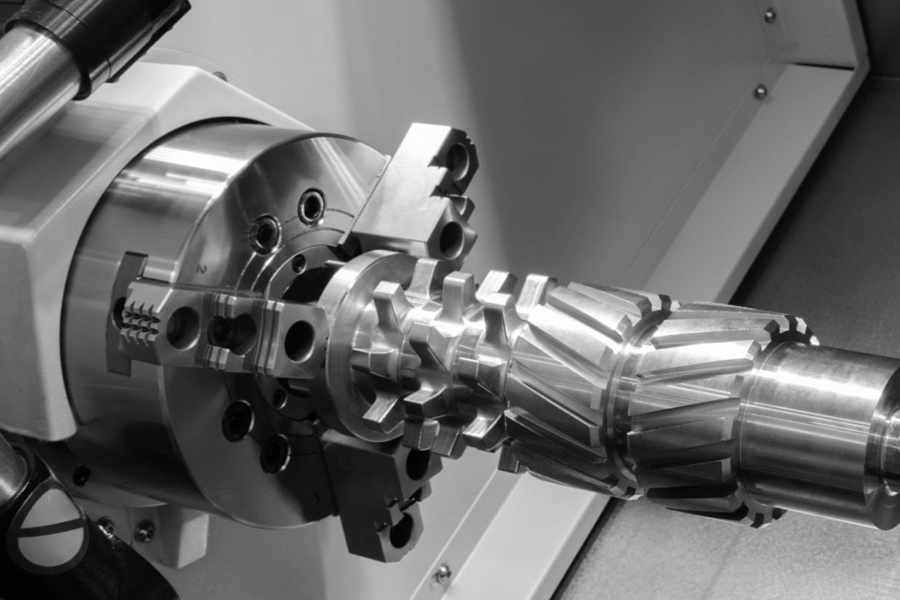
Five-axis machining centers have gradually become the core equipment for the manufacture of complex parts due to their multi-dimensional dynamic machining capabilities. Compared with four-axis equipment, five-axis machining centers significantly improve the machining accuracy and surface quality of special-shaped structural parts through multi-angle synchronous cutting, shortening the production cycle.
2025-06-11



Contact Information

Mailbox:haiqi.liang@chuntian-ctt.com
Company address: Area B and Area C, Building A, Factory Building 8, Hongqi Road, Hongqi Town, Jinwan District, Zhuhai City
Skype:haiqi.liang@chuntian-ctt.com
WhatsApp:+86 13318966480
Phone:+86 13318966480
Mail:haiqi.liang@chuntian-ctt.com