

Cutting affects surface roughness
Release time:
2024-09-12
Under normal circumstances, the damage of mechanical equipment parts starts from the surface of the parts.
Under normal circumstances, the damage of mechanical equipment parts starts from the surface of the parts. The performance of a product, especially the stability and durability of the product, depends to a large extent on the processing technology and processing quality of the surface of the parts. Processing Parts Factory Zhuhai Baiwei Machinery Analysis Factors Affecting Parts Surface Quality
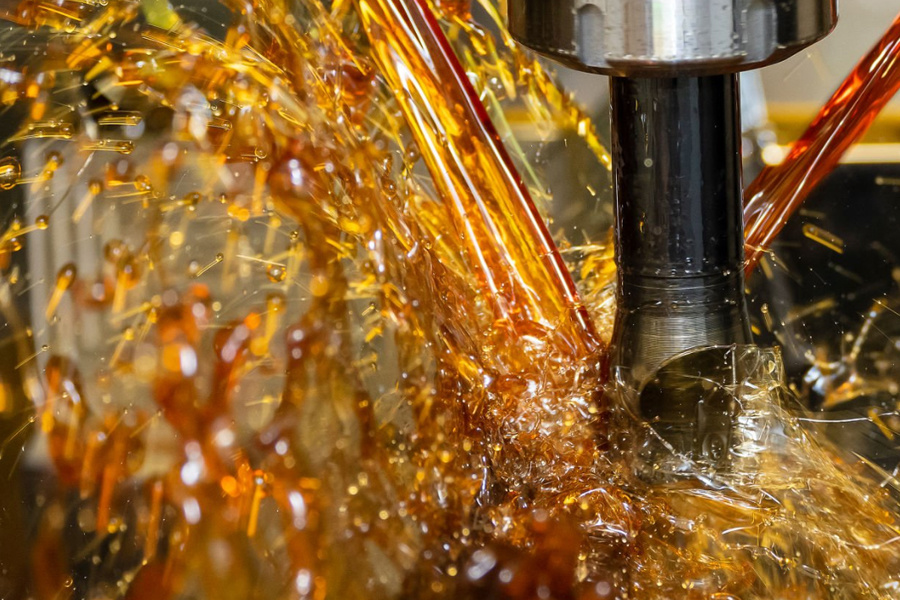
1, cutting affects the surface roughness, in the mechanical cutting process, will leave the residual traces of the cutting layer on the surface, its shape and the geometry of the tool, we can reduce the feed of the tool, the main angle and the auxiliary angle or increase the radius of the tip of the arc to reduce the height of the residual traces. We can also increase the tool rake angle to prevent the degree of plastic deformation during cutting, to achieve the purpose of reducing surface roughness.
2. The nature of the workpiece material will affect the surface quality of the machined parts. When processing plastic materials, the extrusion of the metal by the tool will cause plastic deformation, and the tool will force the workpiece to be separated from the cutting. Tearing effect, resulting in an increase in the roughness value of its surface. If the toughness of the processed material is better, the plastic deformation of the metal will be greater, and the surface of the processed part will be rougher. For the processing of high toughness materials, higher cutting speed can be adopted to improve the surface finish.
Related Products
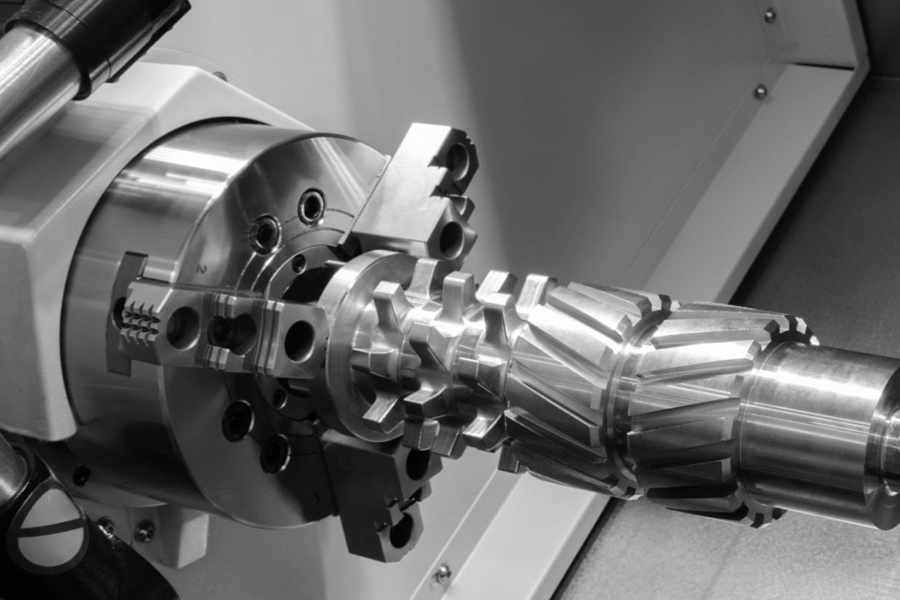
CNC machining multi-axis linkage accurately processes tooth profile and journal size
CNC machining technology plays a core role in the machining of precision gears and shaft parts, achieving high-precision micron-level precision, significantly improving the wear resistance and fatigue resistance of parts, and ensuring the stable operation and high quality of the transmission system. In modern industrial manufacturing, its application in automobile manufacturing, precision instruments, industrial equipment and other fields has significantly improved the overall quality.
2025-06-28
Automotive precision parts processing: Use high-precision gears to drive the future of new energy
The development of new energy vehicles has put forward higher requirements for the precision of parts. The breakthrough of micron-level manufacturing technology has laid the foundation for the stable operation of the power system. High-precision gears are innovatively applied in the energy conversion system of new energy vehicles, which reduces friction loss, improves transmission efficiency and prolongs gear life.
2025-06-18
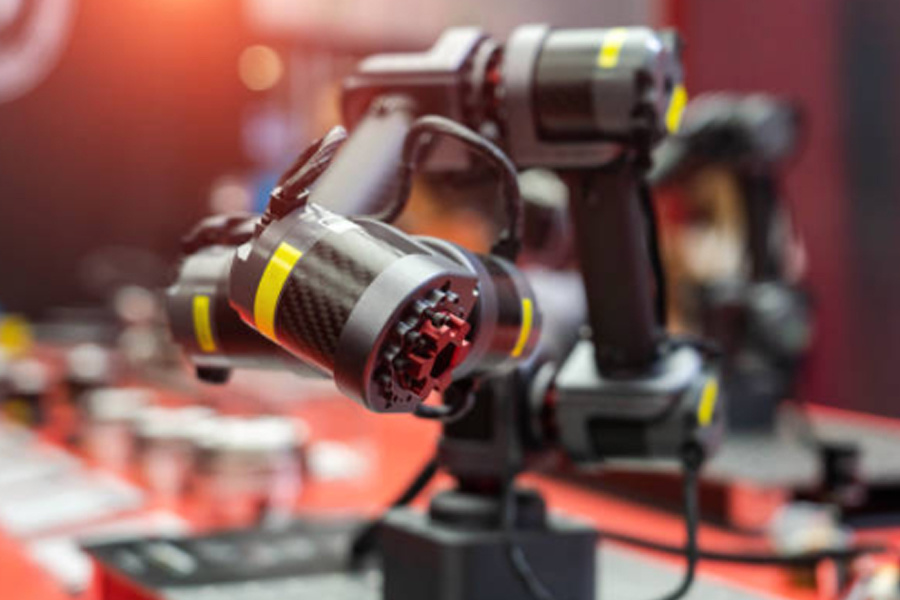
The manufacturing process of precision accessories in modern medical equipment, especially the use of core processing technologies such as CNC turning and laser micro-welding to achieve precise manufacturing in complex medical scenarios. These technologies not only require precise dimensional control, but also must meet biocompatibility and long-term stability.
2025-06-14
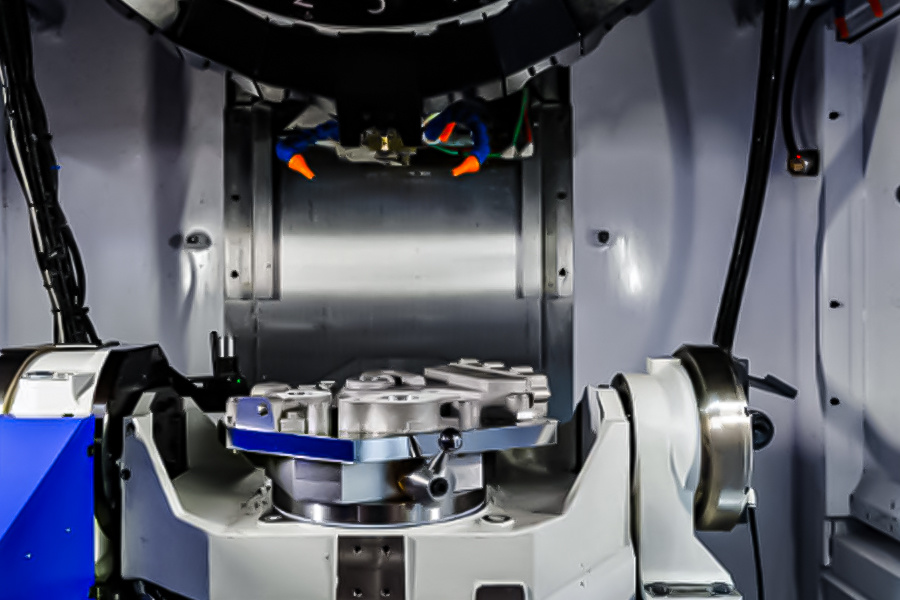
Five-axis machining centers have gradually become the core equipment for the manufacture of complex parts due to their multi-dimensional dynamic machining capabilities. Compared with four-axis equipment, five-axis machining centers significantly improve the machining accuracy and surface quality of special-shaped structural parts through multi-angle synchronous cutting, shortening the production cycle.
2025-06-11



Contact Information

Mailbox:haiqi.liang@chuntian-ctt.com
Company address: Area B and Area C, Building A, Factory Building 8, Hongqi Road, Hongqi Town, Jinwan District, Zhuhai City
Skype:haiqi.liang@chuntian-ctt.com
WhatsApp:+86 13318966480
Phone:+86 13318966480
Mail:haiqi.liang@chuntian-ctt.com