

How can machining manufacturers process the ideal mold surface finish according to the requirements?
Release time:
2022-01-10
No matter what material or method we use and what process we use to make the mold
No matter what material or method we use and what process we use to make the mold, the surface finish of the mold will ultimately affect the quality of the part.
Therefore, in the process of mold processing, the requirements for surface finish are very strict, such as silicon materials, mirror polishing is required after processing to be used normally, and the process cannot even touch the finished product with light hands, because the residue and grease on the fingers will affect the final surface finish.
Of course, not all molds require very smooth surfaces such as mirrors. For example, some medical component molds such as endoscopes are operated by surgeons wearing gloves. To hold them and control the endoscope well, uniform texture needs to be developed during mold machining to improve grip.
The operation of medical appliances requires very high precision and precision, and the grip is part of it, and more importantly, the feel of the tool. When surgeons perform delicate work that is difficult to detail, they not only need to be able to hold the tool correctly, but also make the tool feel comfortable in the hand. This has higher requirements for product mold design and machining equipment.
How can machining manufacturers process the ideal mold surface finish according to the requirements?
In the process of mold processing, CNC automation equipment is the ideal way to process the surface finish mold, but because of the high quality surface treatment is often needed in the field of mold manufacturing, if we have very high requirements for the parts manufactured by the final mold. With a few exceptions, the final need for hand polishing.
For the manufacturing industry, many people will have a misunderstanding that the use of manual operation is a very backward way, in fact, this is not the case, it is true, in the face of mass production, product production efficiency and dimensional accuracy of consistency, automation equipment and manual operation compared to naturally have a higher advantage.
However, if the product is very demanding for precision, it will eventually require an experienced master to handle it manually. In the documentary "Great Power Craftsman", we can see that the most radar equipment transceiver components in China are all connected bit by bit by hand, as well as the core component of the missile engine. The realization of its function completely depends on whether the fuel can be fully burned. There are thousands of processes in the manufacture of solid fuel, and the most important process is the micro-shaping of solid fuel. When using knives to micro-reshape the solid fuel of missiles, all rely on manual operation, the accuracy of each moment of the knife must reach 0.2mm, the maximum can not exceed 0.5mm.
Related Products
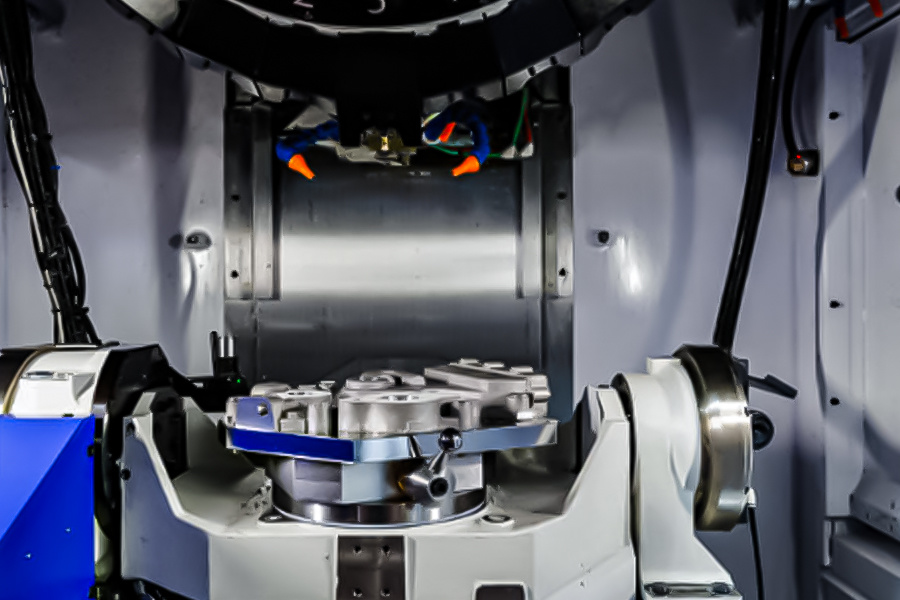
CNC machining multi-axis linkage accurately processes tooth profile and journal size
CNC machining technology plays a core role in the machining of precision gears and shaft parts, achieving high-precision micron-level precision, significantly improving the wear resistance and fatigue resistance of parts, and ensuring the stable operation and high quality of the transmission system. In modern industrial manufacturing, its application in automobile manufacturing, precision instruments, industrial equipment and other fields has significantly improved the overall quality.
2025-06-28
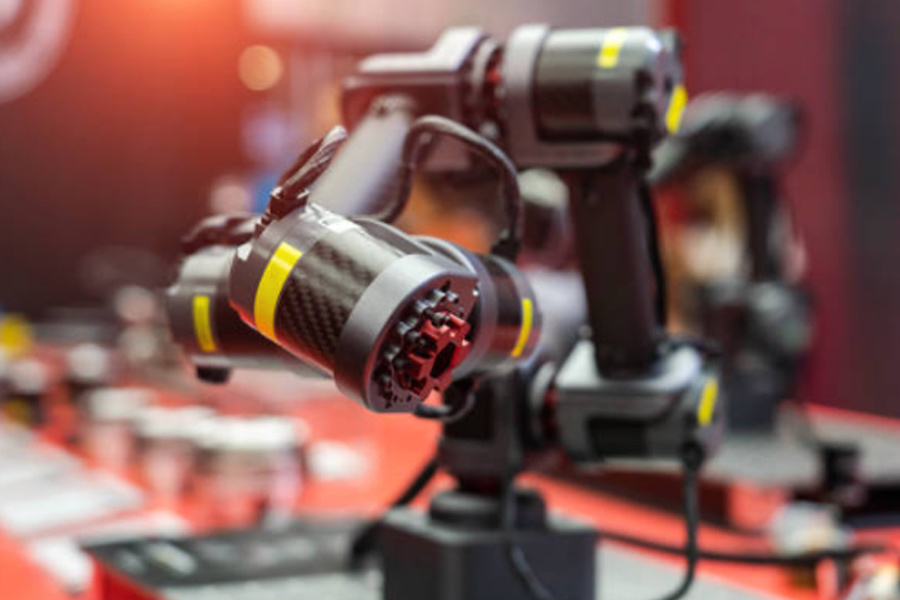
Automotive precision parts processing: Use high-precision gears to drive the future of new energy
The development of new energy vehicles has put forward higher requirements for the precision of parts. The breakthrough of micron-level manufacturing technology has laid the foundation for the stable operation of the power system. High-precision gears are innovatively applied in the energy conversion system of new energy vehicles, which reduces friction loss, improves transmission efficiency and prolongs gear life.
2025-06-18
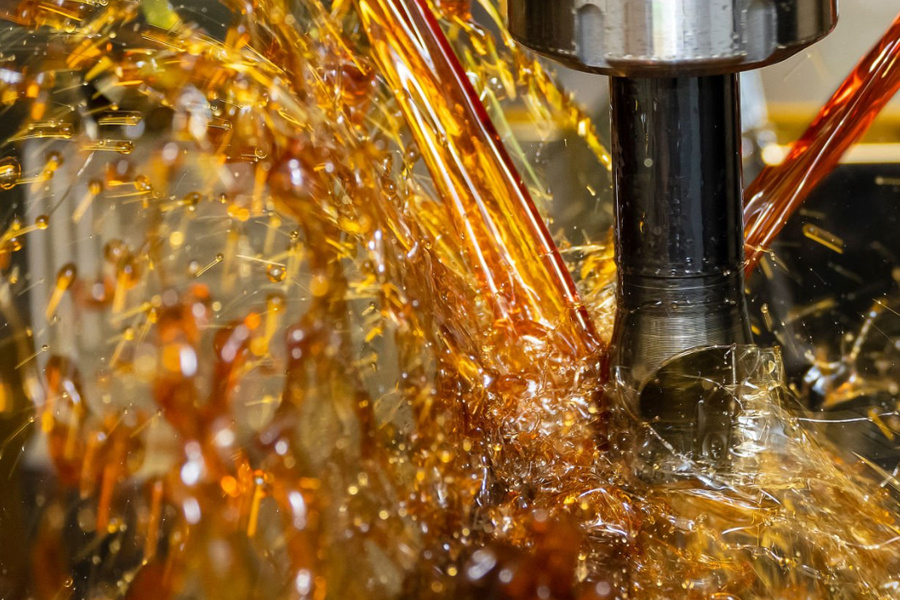
The manufacturing process of precision accessories in modern medical equipment, especially the use of core processing technologies such as CNC turning and laser micro-welding to achieve precise manufacturing in complex medical scenarios. These technologies not only require precise dimensional control, but also must meet biocompatibility and long-term stability.
2025-06-14
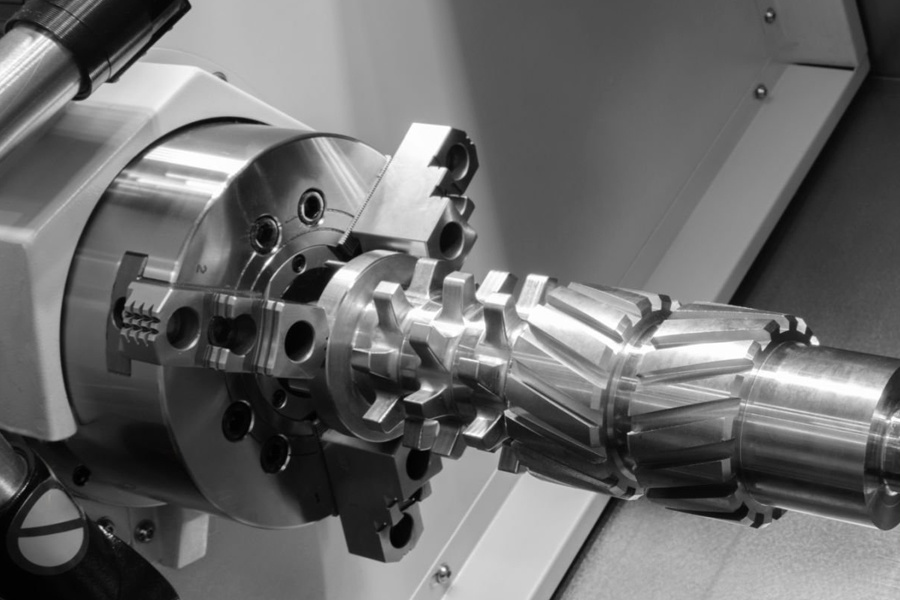
Five-axis machining centers have gradually become the core equipment for the manufacture of complex parts due to their multi-dimensional dynamic machining capabilities. Compared with four-axis equipment, five-axis machining centers significantly improve the machining accuracy and surface quality of special-shaped structural parts through multi-angle synchronous cutting, shortening the production cycle.
2025-06-11



Contact Information

Mailbox:haiqi.liang@chuntian-ctt.com
Company address: Area B and Area C, Building A, Factory Building 8, Hongqi Road, Hongqi Town, Jinwan District, Zhuhai City
Skype:haiqi.liang@chuntian-ctt.com
WhatsApp:+86 13318966480
Phone:+86 13318966480
Mail:haiqi.liang@chuntian-ctt.com