

Master the essence of CNC machining programming: key techniques to improve efficiency and precision
Release time:
2025-01-06
In modern manufacturing, CNC processing is of great importance. This article details its key programming skills, from reasonable division of processing procedures, careful planning of processing sequence and path, to precise tool setting, scientific tool selection and management, and rigorous writing and debugging programs, emphasizing continuous learning and innovation, helping the team to improve processing efficiency in all aspects and open a new chapter.
In the tide of modern manufacturing, CNC (computer numerical control) processing technology has become an important force to promote the progress of the industry with its unparalleled high precision and high efficiency. However, to give full play to the advantages of CNC processing, not only advanced equipment is needed as the hardware foundation, but also the professional skills and practical experience of programmers. This article will explore the key skills in CNC processing programming in depth, aiming to help our team achieve greater breakthroughs in improving processing efficiency and ensuring product quality.
The efficiency and accuracy of CNC processing programming are first reflected in the reasonable division of processing procedures. Through the clever arrangement of the tool use sequence, we can effectively reduce the number of tool changes and shorten the idle travel time, thereby improving the overall processing efficiency. At the same time, according to the structural characteristics of the parts, the processing tasks are decomposed into several parts, and each part strives to be completed efficiently and accurately, which is the key to ensuring processing quality. In addition, the roughing and finishing are clearly separated, the roughing quickly removes excess materials, and the finishing focuses on ensuring dimensional accuracy and surface quality. This orderly combination further optimizes the processing process.

In terms of processing sequence and path planning, we follow a series of principles to ensure the efficiency and safety of the processing process. The processing sequence must not only meet the precision requirements, but also reduce the complexity of programming to ensure that each step can proceed smoothly. Path planning strives to be the shortest, and by reducing the empty stroke, the processing efficiency is improved. At the same time, we pay special attention to the tool's entry and exit paths to prevent workpiece damage or machine tool failure caused by improper path planning, and ensure the safety and stability of the processing process.
Accurate tool setting and reasonable workpiece clamping are important links in CNC processing programming. Using the tool setting instrument or the tool setting function in the program, we can ensure that the tool setting is accurate and lay a solid foundation for subsequent processing. At the same time, according to the shape, size and processing requirements of the workpiece, a stable and reliable clamping solution is designed to ensure the positioning accuracy and stability during the processing process, which is an important prerequisite for ensuring the processing quality.
The selection and management of tools are also crucial. According to the material characteristics, processing location and process requirements, choosing the right tool type and specifications can significantly improve the processing efficiency and processing quality. At the same time, we regularly monitor the tool wear and replace the severely worn tools in time to avoid the excessive wear of the tools affecting the processing quality and efficiency. Through scientific tool management, we ensure the continuous stability and efficiency of the processing process.
In terms of program writing and debugging, we focus on the clarity and comprehensibility of the program to facilitate subsequent modification and maintenance. Using CAM software for machining simulation, we can discover and correct potential problems in advance to ensure that the program is correct. Before actual machining, we conduct dry run tests, observe the operating status of the machine tool, adjust it to the best state, and ensure the smooth progress of the machining process.

Finally, continuous learning and innovation are the key to promoting the continuous advancement of CNC machining technology. We regularly organize CNC programming and operation training to improve the team's professional skills. At the same time, we encourage team members to explore new technologies and processes, continuously optimize the machining process, and enhance competitiveness. Through continuous learning and innovation, we continue to climb new heights of CNC machining technology and inject a steady stream of power into the company's development.
In short, mastering the efficient and accurate path of CNC machining programming requires us to make efforts in many aspects. By reasonably dividing the machining process, optimizing the machining sequence and path planning, accurately setting the tool and clamping the workpiece, scientifically selecting and managing the tool, carefully writing and debugging the program, and continuously learning and innovating, we can significantly improve the efficiency and accuracy of CNC machining, and provide strong technical support for the company's product innovation and market competition. Let us work together to create a new chapter in CNC machining technology!
Related Products
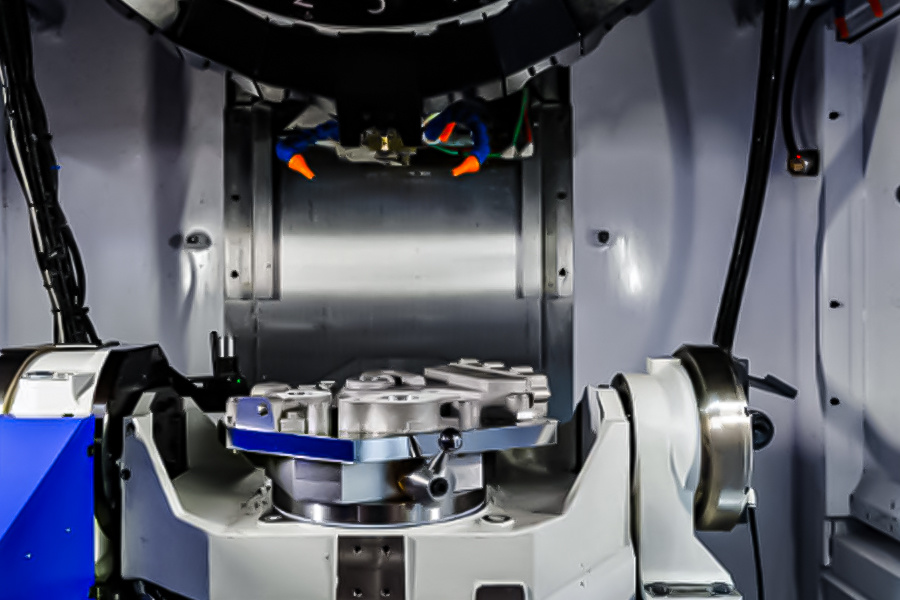
CNC machining multi-axis linkage accurately processes tooth profile and journal size
CNC machining technology plays a core role in the machining of precision gears and shaft parts, achieving high-precision micron-level precision, significantly improving the wear resistance and fatigue resistance of parts, and ensuring the stable operation and high quality of the transmission system. In modern industrial manufacturing, its application in automobile manufacturing, precision instruments, industrial equipment and other fields has significantly improved the overall quality.
2025-06-28
Automotive precision parts processing: Use high-precision gears to drive the future of new energy
The development of new energy vehicles has put forward higher requirements for the precision of parts. The breakthrough of micron-level manufacturing technology has laid the foundation for the stable operation of the power system. High-precision gears are innovatively applied in the energy conversion system of new energy vehicles, which reduces friction loss, improves transmission efficiency and prolongs gear life.
2025-06-18
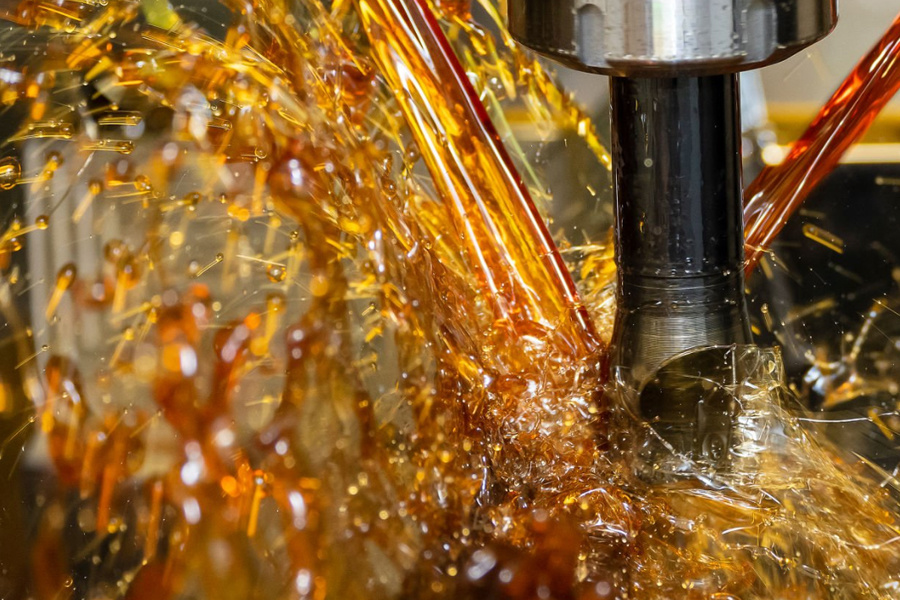
The manufacturing process of precision accessories in modern medical equipment, especially the use of core processing technologies such as CNC turning and laser micro-welding to achieve precise manufacturing in complex medical scenarios. These technologies not only require precise dimensional control, but also must meet biocompatibility and long-term stability.
2025-06-14
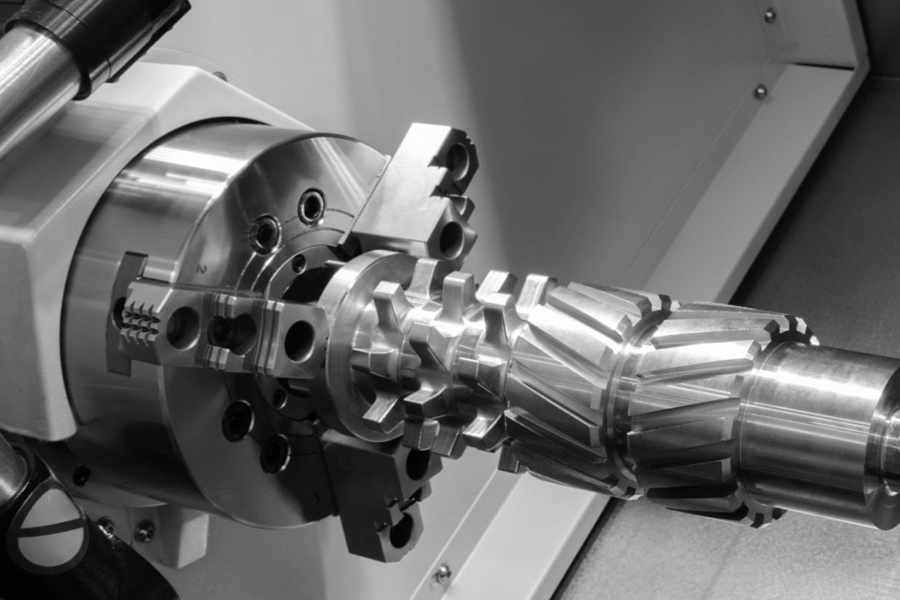
Five-axis machining centers have gradually become the core equipment for the manufacture of complex parts due to their multi-dimensional dynamic machining capabilities. Compared with four-axis equipment, five-axis machining centers significantly improve the machining accuracy and surface quality of special-shaped structural parts through multi-angle synchronous cutting, shortening the production cycle.
2025-06-11



Contact Information

Mailbox:haiqi.liang@chuntian-ctt.com
Company address: Area B and Area C, Building A, Factory Building 8, Hongqi Road, Hongqi Town, Jinwan District, Zhuhai City
Skype:haiqi.liang@chuntian-ctt.com
WhatsApp:+86 13318966480
Phone:+86 13318966480
Mail:haiqi.liang@chuntian-ctt.com